- Infectious Diseases of Livestock
- Part 1
- Theileriosis of sheep and goats
- Vectors: Ticks
- Vectors: Tsetse flies
- Vectors: Muscidae
- Vectors: Tabanidae
- Vectors: Culicoides spp.
- Vectors: Mosquitoes
- Classification, epidemiology and control of arthropod-borne viruses
- Special factors affecting the control of livestock diseases in sub-Saharan Africa
- The control of infectious diseases of livestock: Making appropriate decisions in different epidemiological and socioeconomic conditions
- Infectious diseases of animals in sub-Saharan Africa: The wildlife⁄livestock interface
- Vaccination: An approach to the control of infectious diseases
- African animal trypanosomoses
- Dourine
- Trichomonosis
- Amoebic infections
- GENERAL INTRODUCTION: COCCIDIA
- Coccidiosis
- Cryptosporidiosis
- Toxoplasmosis
- Besnoitiosis
- Sarcocystosis
- Balantidiosis
- Leishmaniosis
- Neosporosis
- Equine protozoal myeloencephalitis
- GENERAL INTRODUCTION: BABESIOSES
- Bovine babesiosis
- Equine piroplasmosis
- Porcine babesiosis
- Ovine babesiosis
- GENERAL INTRODUCTION: THEILERIOSES OF CATTLE
- East Coast fever
- Corridor disease
- Zimbabwe theileriosis
- Turning sickness
- Theileria taurotragi infection
- Theileria mutans infection
- Theileria annulata theileriosis
- Theileriosis of sheep and goats
- Theileria buffeli⁄orientalis infection
- Non-pathogenic Theileria species in cattle
- GENERAL INTRODUCTION: RICKETTSIAL, CHLAMYDIAL AND HAEMOTROPIC MYCOPLASMAL DISEASES
- Heartwater
- Lesser known rickettsial infections in animals and humans
- Chlamydiosis
- Q fever
- Eperythrozoonosis
- Bovine Haemobartonellosis
- Potomac horse fever
- GENERAL INTRODUCTION: ANAPLASMOSES
- Bovine anaplasmosis
- Ovine and caprine anaplasmosis
Theileriosis of sheep and goats
Oriental Ovine Theileriosis: Aetiology & life cycle | Epidemiology | Clinical signs, pathogenesis & pathology | Diagnosis & differential diagnosis | Control
Benign Ovine Theileriosis: Aetiology & life cycle | Epidemiology | Clinical signs | Pathogenesis & pathology | Diagnosis & differential diagnosis | Control | References
This content is distributed under the following licence: Attribution-NonCommercial CC BY-NC  View Creative Commons Licence details here
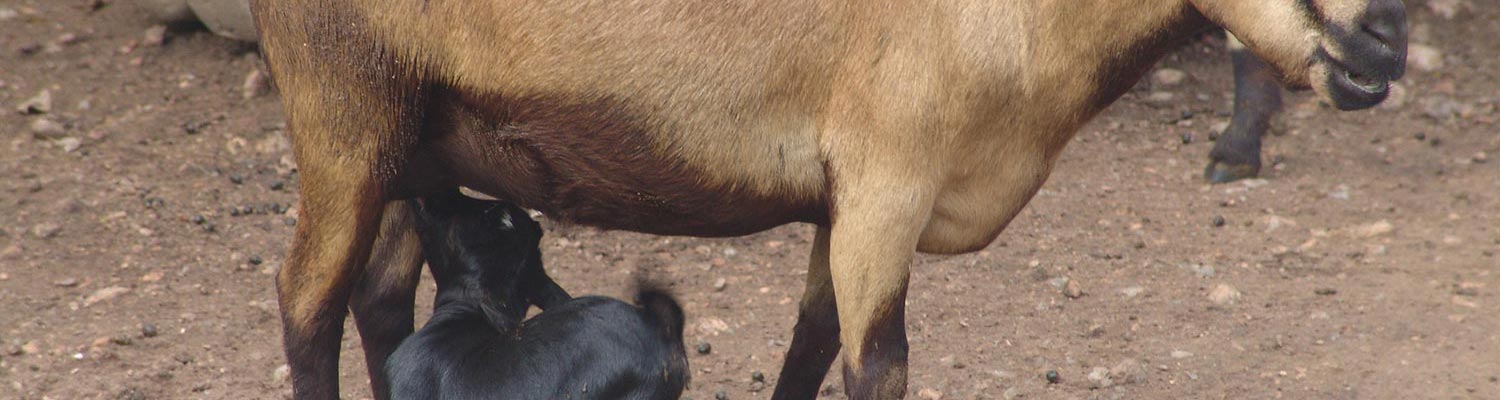
Theileriosis of sheep and goats
Previous Authors:
Current Authors:
J A LAWRENCE - Extraordinary Professor, DPhil, BSc, MRCVS (ret.), DTVM, Department of Paraclinical Veterinary Science, University of Zimbabwe, Harare, Zimbabwe
C BYARUHANGA - Post-doc Fellow, BVM, MVPM, PhD, Department of Veterinary Tropical Diseases, Para-clinical Building, Faculty of Veterinary Science, University of Pretoria, 100 Old Soutpan Road, Onderstepoort, Pretoria, Gauteng, 0110, South Africa
M OOSTHUIZEN - Parasitology, PhD, Department of Veterinary Tropical Diseases, Faculty of Veterinary Science, Private Bag X04, University of Pretoria, Pretoria, Gauteng, 0110, South Africa
B J MANS - Principal Researcher, BSc, BSc (Hons) Biochemistry, MSc (Biochemistry), PhD (Biochemistry), Agricultural Research Council, Onderstepoort Veterinary Research, 100 Old Soutpan Road, Pretoria, Gauteng, 0110, South Africa
Introduction
Theileria is a genus comprising tick-transmitted parasitic protozoa in the family Theileriidae, order Piroplasmida, subclass Piroplasmia, phylum Apicomplexa. It includes parasites previously allocated to the genera Cytauxzoon, Gonderia and Haematoxenus. The taxonomy of the genus at species level on morphological and biological characteristics in the past has been confused; taxonomy is now based on sequences of the 18S rRNA genes. Three Theileria species infecting small ruminants have been shown to be responsible for heavy mortality. Two of them, T. uilenbergi and T. luwenshuni were first described in China, whereas T. lestoquardi causes malignant theileriosis which is a major problem in Sudan and the Middle East. Other small ruminant Theileria species are considered as non-pathogenic; their importance lies in the confusion they may cause in diagnosis. The name T. recondita was given in the past to a non-pathogenic parasite in Europe transmitted by Haemaphysalis spp. but is regarded as invalid 8;the parasite was probably T. luwenshuni.
Table 1: Theileria species affecting sheep and goats
| Species | Disease | Natural Vector | Principal Hosts | Continental |
| Pathogenic | ||||
| Theileria lestoquardi | Malignant theileriosis | Hyalomma spp., | Sheep & goats | Africa, Asia |
| Theileria uilenbergi | Oriental ovine theileriosis | Haemaphysalis spp. | Sheep & goats, deer | Asia, Europe |
| Theileria luwenshuni | Oriental ovine theileriosis | Haemaphysalis spp. | Sheep & goats, gazelle, deer | Asia, Europe |
| Benign | ||||
| Theileria ovis | Hyalomma spp., | Sheep & goats, | Africa, Asia | |
| Theileria separata |
| Rhipicephalus spp., | Sheep & goats, antelope | Africa |
| Theileria sp. OT3 | Haemaphysalis spp. | Sheep, deer, Pyrenean chamois, | Asia, Europe | |
| Theileria sp. MK | Sheep & goats | Eurasia | ||
The life cycle of the Theileria species of sheep and goats is similar to that of the bovine Theileria species (See East Coast fever). The parasite is transmitted to its vertebrate host by the bite of an infected tick. Sporozoites injected into the host invade mononuclear leucocytes, either lymphocytes or macrophages, depending on the species, where they develop into schizonts. Some species have the ability to transform the host cell so that it can proliferate and disperse throughout the body, others do not. The schizonts release merozoites into the circulation, where they can be seen as piroplasms in erythrocytes. Ticks ingest the organisms when they feed. The organism undergoes multiplication and a sexual cycle in the tick gut and moves to the salivary gland where it is ready to start the next cycle. The organisms are transmitted from stage to stage of the tick, not transovarially from one tick generation to the next.
Malignant Ovine Theileriosis
Aetiology and life cycle
Theileria lestoquardi (T. hirci) is the best known causal organism of malignant theileriosis of small ruminants and has a life cycle and morphology typical of the genus Theileria. Theileria lestoquardi schizonts infect macrophages and B lymphocytes 14. The parasite infects both sheep and goats. Antigenically it is closely related to T. annulata of cattle31, and it is occasionally detected by PCR in this species 51.The parasiteis transmitted from stage to stage through the ticks Hyalomma anatolicum anatolicum, H. impeltatum, H. excavatum, H. scupense (H. detritum), Rhipicephalus sanguineus and R. turanicus, and through vertical transmission 14.
Schizont-infected cells can be grown readily in suspension culture, in a manner similar to those of T. parva and T. annulata (see East Coast fever and Theileria annulata theileriosis) 26 Cultured schizonts are of value in immunization and as antigen for indirect immunofluorescence testing.31
Epidemiology
Malignant theileriosis of sheep and goats caused by T. lestoquardi occurs in the Mediterranean basin, the Middle East, Sudan, western Asia and the Indian subcontinent 14, and infection has been identified in the absence of clinical disease in Tanzania 49 and southern Tunisia 46. The disease is widespread in some important sheep breeding areas and causes heavy losses in both indigenous and exotic breeds and their crosses, especially in Iran, Sudan and the Sultanate of Oman; the disease is particularly severe when susceptible sheep are introduced into endemic areas 14. Morbidity and mortality among non-immunized animals can reach 77% and 46%, respectively. There is disagreement in the literature as to whether lambs are more or less resistant than adults. Breed differences in severity of infection have been demonstrated 15. Animals that survive infection are resistant to further challenge, and indigenous sheep and goats usually acquire immunity at an early age 14. However, the development of endemic stability with respect to theileriosis may be hampered by the practice of transhumance in sheep-raising areas, and reported differences in susceptibility of various classes of stock probably reflect differences in the epidemiological status in different situations. The disease usually occurs over a period of two months at the end of spring, when ticks are active.22
Clinical signs
Malignant theileriosis of sheep and goats caused by T. lestoquardi may be acute, subacute or chronic. The most prominent clinical signs are generalized enlargement of the superficial lymph nodes, high fever, listlessness, anorexia, emaciation, intermittent diarrhoea or constipation and loss of condition 14. Initially, infected animals have an apparently normal appetite, but a few days after the onset of fever they cease eating and later on they become progressively emaciated. Other signs described are mucosal pallor, nasal discharge, hyperaemia of the conjunctivae, oedema of the throat, icterus and transitory haemoglobinuria. Clinical signs in subacute and chronic cases are similar but less marked, and anaemia and emaciation may be pronounced. The severity of the clinical signs is significantly greater in sheep than in goats 23.
Death follows within four or five days; recovery, if it occurs, is slow.
Pathogenesis and pathology
The pathogenesis and pathology of malignant theileriosis caused by T. lestoquardi are similar to those of Theileria annulata. Both schizonts and piroplasms play a role, the former by inducing macrophage and lymphoid proliferation and dissemination and by disrupting the cell-mediated immune response and stimulating overproduction of pro-inflammatory cytokines, the latter by causing haemolysis, anaemia and icterus.
Salient features at post-mortem examination in acute cases include subcutaneous and intramuscular oedema, especially in the ventral parts of the head, neck and abdomen; enlargement of the spleen and lymph nodes; icterus; enlargement, yellow discolouration and subcapsular haemorrhage of the liver; pulmonary oedema and hydrothorax; red or white nodules of lymphoid hyperplasia in the kidney cortex (so-called infarcts) and perirenal oedema; haemorrhages on serosal surfaces and beneath the epicardium and endocardium; and haemorrhagic lesions and necrosis of the mucosa of the abomasum and large intestine. In chronic cases, anaemia, emaciation and generalized oedema may be prominent.
Diagnosis and differential diagnosis
The diagnosis of malignant theileriosis of sheep and goats is based on the characteristic clinical signs and lesions and may be confirmed by the demonstration of schizonts in lymph node and liver smears; piroplasms may be present in blood smears, but may be infrequent or even absent in the acute disease.17 Specific diagnosis can be made retrospectively by means of the indirect immunofluorescent antibody test.31 An ELISA based on an unknown surface protein (clone 5) identified as a K+-dependent Na+/Ca+ exchanger by conserved domain database analysis has been developed and shows 94.6% sensitivity and 88% specificity compared to the IFAT 7. Assays to directly detect parasite DNA using molecular methods have been developed. Conventional PCR assays based on the 30 kDa merozoite surface protein of T. lestoquardi may be used for detection of parasite in blood or infected ticks 29, 30. A reverse line blot assay that specifically targets the 18S rRNA region of Theileria of small ruminants can detect T. lestoquardi, T. luwenshuni, T. uilenbergi, T. ovis and T. separata 49. A PCR that targets the T. lestoquardi ms1-2 gene was used to detect parasites in stained blood smears 50. Simultaneous detection of T. annulata, T. lestoquardi and T. ovis was achieved by nested PCR followed by restriction fragment length polymorphism (RFLP) analysis 16, 25, 28. A loop mediated isothermal amplification assay (LAMP) specific for T. lestoquardi shows 92.1% specificity and 87.5% sensitivity when compared with conventional PCR assays 48.
Control
In endemically unstable environments or when susceptible sheep are introduced to endemic areas tick control or some other disease control measure is essential 14. Eradication is not a practical proposition due to environmental, managerial and resource constraints and to the lack of a strategy to generate infection-free animals, vector or environment.
Buparvaquone may be used in the treatment of malignant theileriosis in valuable animals.17, 22
Attenuated schizont vaccines for T. lestoquardi prepared in cell culture have proved very successful when tested in Iraq, Iran and Sudan 14. The parasite is passaged in culture until it causes only mild clinical signs and low parasitaemia in susceptible lambs in a similar way to T. annulata.
In endemic areas, tick control is either not practised, or used only occasionally to reduce excessive tick burdens as indigenous sheep rarely show disease. Intensive tick control of susceptible sheep is difficult to maintain, and any breakdown is likely to result in an outbreak of disease.
Oriental Ovine Theileriosis
Aetiology and life cycle
Two species of Theileria, T. luwenshuni, originally known as China 1, and T. uilenbergi, known as China 2, are responsible for fatal theileriosis of sheep and goats in western China, which has been recognised for over 100 years 61.The disease was attributed initially to T. ovis and later to T. lestoquardi. The species are not closely related to each other antigenically; T. luwenshuni is closely related to T. buffeli/orientalis. Strains of both species in Western Europe and Western Asia are generally benign. Both species are transmitted by Haemophysalis qinghaiensis and H. longicornis 35, 36, 61, while H. punctata is suspected to be the vector in Western Europe 45. The parasite has been detected by PCR in Dermacentor niveus 33, though transmission by this species has not been demonstrated.
Since their identification in sheep and goats, T. luwenshuni has been shown to be widespread in Mongolian gazelle (Procapra gutturosa) 33 and roe deer, (Capreolus pygargus), sika deer (Cervus nippon) and red deer (Cervus elaphus) 34, and serow (Capricornis crispus) 49, while T. uilenbergi has been detected in Reeves' muntjac (Muntiacus reevesi) 57 red deer and sika deer 32. Presumably wild deer and gazelle are the original hosts of these species, and infection has spread from them to domestic small ruminants. Theileria luwenshuni has also been detected in hedgehogs in China 12 and sheepdogs in Iran 20.
Both species have a life cycle and morphology typical of the genus Theileria 61. Macroschizonts and microschizonts can be found in lymph nodes, spleen, liver, kidney, lung and peripheral blood, but are more often extracellular than intracellular. Three days after the appearance of the schizonts in the lymph nodes, piroplasms of a variety of shapes can be detected in erythrocytes of experimentally infected animals.
Neither species has been established in cell culture.
Epidemiology
The distributions in China of T. uilenbergi and T. luwenshuni overlap 60 but T. luwenshuni appears to be much more widespread, as it is often the only species of the two detected in surveys 11, 19, 37, 58, 63. As both species are transmitted by the same ticks, other unidentified epidemiological factors must control their distribution. Depending on the area, the morbidity rate in sheep and goats may reach 65%, while mortality may reach 75% 61. Up to 47% of the sheep in an endemic area die because of the infection. Highest mortality occurs in lambs and imported exotic animals. Peak infection occurs in spring 41.
Theileria luwenshuni has also been identified in wildlife in Korea 42 and Japan 49 and, in the absence of clinical illness, in sheep in Spain, where it was originally named Theileria sp. OT1 43. Great Britain 45; and, together with T. uilenbergi, in Italy 2 and Turkey, Iraq and Iran 9. High mortality in sheep in an outbreak in England attributed to T. luwenshuni was probably exacerbated by very heavy tick infestation 45. The introduction of the Chinese Theileria into Western Europe may have been in deer imported from China over a century previously 45.
Clinical signs, pathogenesis and pathology
Pathogenesis and pathology have not been described from China. In one British sheep examined the lips and tongue were swollen and oedematous, and there was also oedema of the conjunctivae and subcutaneous oedema around the eyes and elsewhere over the face and throat 45. There were petechial haemorrhages over the oral mucosa. The lungs were oedematous and mottled and excessive froth was present in the trachea and bronchi. The spleen was enlarged, the kidneys pale and the blood watery.
Diagnosis and differential diagnosis
The diagnosis of oriental theileriosis of sheep and goats is based on the characteristic clinical signs and lesions and may be confirmed by the demonstration of schizonts in lymph node and liver smears; piroplasms may be present in blood smears, but may be infrequent or even absent in the acute disease.17 Specific diagnosis can be made retrospectively by means of the indirect immunofluorescent antibody test.31 An ELISA based on the recombinant immunodominant protein from T. uilenbergi (rTuIP) was developed for use in sheep 39. Diagnostic sensitivity and specificity was determined at 98.4%. The assay is capable of detecting early infection and was tested up to two months after infection. The ELISA also detect antibodies from T. luwenshuni and may as such be used in epidemiological studies if testing for oriential ovine theileriosis in general. This assay was optimized for rapid screening (15 minutes) in a field setting using a colloidal gold-based immunochromatographic strip and showed 93% sensitivity and 100% specificity compared to the rTuIP ELISA (Lu et al., 2015). An indirect ELISA based on a T. luwenshuni surface protein (rTlSP) does not give cross-reactions with T. uilenbergi 24.
A conventional PCR based on species specific primers that targets the 18S rRNA gene has been developed that distinguish T. luwenshuni and T. uilenbergi 59. LAMP PCR assays was developed for T. luwenshuni based on UTRlu8 and for T. uilenbergi for UTRu6 38. Compared to RLB both assays showed a sensitivity and specificity of 66% and 97%, respectively. A multiplex PCR based on the 5.8S rRNA for T. ovis and T. luwenshuni and the 18S rRNA gene of T. uilenbergi that is 100% specific, detect parasites up to a parasitemia of 0.001%. Given the relatively low sensitivity, this assay could be used as a herd test, to determine whether the agents of oriental ovine theileriosis exist in a region, similar to the study of 37 that showed the existence of T. luwenshuni in central China, but not T. ovis or T. uilenbergi. A multiplex DNA bead-based suspension array based on Luminex xMAP technology was developed in Spain to detect T. luwenshuni, T. sp. OT3, T. ovis, Babesia motasi and B. ovis and confirmed that these parasites are endemic to this region 47.
Control
Treatment of affected sheep with Primaquine has proved effective 41, and it is likely that buparvaquone would also be effective. Tick control is the only method of prophylaxis available; treatment with organophosphate acaricides at 15-20 day intervals reduced infection rates dramatically 41. No vaccines have been developed.
Benign Ovine Theileriosis
Aetiology and life cycle
Theileria separata, originally described as Haematoxenus separatus, 9 is phylogenetically most closely related to Theileria sp. (sable), a parasite responsible for mortality in sable (Hippotragus niger) and roan (Hippotragus equinus) antelope in South Africa. It has been hypothesized that T. separata was probably passed from sable antelope to domestic sheep 49. Theileria separata has also been detected in sable antelope 8, common tsessebe (Damaliscus lunatas) 10, and blue wildebeest (Connochaetes taurinus), black wildebeest (Connochaetes gnou), springbok (Antidorcas marsupialis) and red hartebeest (Alcelaphus buselaphus caama) 8. It is transmitted by Rhipicephalus evertsi evertsi and R. e. mimeticus.56 The piroplasms are readily transmitted by blood inoculation.53 Infectivity for goats is very low. It is common in eastern, central and southern Africa; reports of its occurrence in Europe and Asia are probably the result of misidentification.
Theileria separata can be distinguished morphologically from the other species of Theileria in small ruminants by the association with the piroplasms of a clearly defined veil, often situated outside the erythrocyte membrane but lying close to it, opposite a corresponding gap in the erythrocyte cytoplasm (see Non-pathogenic Theileria species in Cattle: Figure 35.1). There may also be a small granule, possibly a reduced bar structure of parasitic origin, within the erythrocyte cytoplasm. Veils can be seen associated with a proportion of piroplasms in Giemsa-stained smears but may not be obvious. They are more easily demonstrated in wet preparations by phase-contrast microscopy.62
The T. ovis complex infects both sheep and goats, and its vectors have not been identified with certainty. Rhipicephalus bursa is known to transmit one non-pathogenic ovine Theileria, and Amblyomma spp. are suspected to be the vectors of another,55 while Haemaphysalis punctata has been shown to transmit a third.56 Theileria ovis has been detected in sheep dogs in Iran 20.
Epidemiology
Little is known of the epidemiology of the benign species of Theileria. Molecular detection using reverse line blot analysis confirmed the presence of T. ovis in small ruminants in Northern Spain 18, 43. Pakistan 6, Sudan 16 and Turkey 4, 5, 6, 44. Theileria sp. MK was first identified in Turkey 4, using reverse line blot and confirmed using a specific PCR 3. Beyond molecular detection, not much is known of this Theileria, except that its geographic distribution is similar to T. ovis. Theileria sp. OT3 was first identified in Spain in sheep using reverse line blot 43, 47. It shows high prevalance in red deer, roe deer and chamois in northern Spain 18. It has also been found in sheep in China 52, Croatia 13, Italy 21 and Turkey 4, 5.
Clinical signs
The benign Theileria spp. cause only a mild febrile reaction, moderate swelling of the superficial lymph nodes and possibly mild anaemia.
Pathogenesis and pathology
Enlargement of lymph nodes and mild anaemia are the only lesions to be expected in benign theileriosis.
Diagnosis and differential diagnosis
Benign theileriosis may be suspected when piroplasms alone are found in sheep or goats in the absence of severe disease, but it is necessary to exclude the presence of pathogenic species in a latent or subclinical form by testing for antibodies or parasitic molecules. The characteristic features of the piroplasms of T. separata permit differentiation from other Theileria spp. in sheep. Reverse line blot and gene specific PCR assays have been used to detect and distinguish T. ovis, T. sp. MK and T. sp. OT3 as described under Epidemiology.
Control
There are no indications for the control of the benign species of Theileria.
References
- AHMED, J., YIN, H., BAKHEIT, M., LIU, Z., MEHLHORN, H. & SEITZER, U., 2011. Small Ruminant Theileriosis. Progress in Parasitology, 135-153.
- ALESSANDRA, T. & SANTO, C., 2012. Tick-borne diseases in sheep and goats: Clinical and diagnostic aspects. Small Ruminant Research, 106S, S6-S11.
- ALTAY, K., AKTAS, M., DUMANLI, N. & AYDIN, M.F., 2008. Evaluation of a PCR and comparison with RLB for detection and differentiation of Theileria sp. MK and other Theileria and Babesia species of small ruminants. Parasitology Research, 103, 319-323.
- ALTAY, K., DUMANLI, N. & AKTAS, M., 2007. Molecular identification, genetic diversity and distribution of Theileria and Babesia species infecting small ruminants. Veterinary Parasitology, 147, 161-165.
- ALTAY, K., DUMANLI, N. & AKTAS, M., 2012. A study on ovine tick-borne hemoprotozoan parasites (Theileria and Babesia) in the East Black Sea Region of Turkey. Parasitology Research, 111, 149-153.
- AYDIN, M.F., AKTAS, M. & DUMANLI, N., 2015. Molecular identification of Theileria and Babesia in ticks collected from sheep and goats in the Black Sea region of Turkey. Parasitology Research, 114, 65-69.
- BAKHEIT, M.A., SEITZER, U. & AHMED, J.S, 2006. A new recombinant protein-based ELISA for the diagnosis of malignant theileriosis of sheep and goats. Parasitology Research, 98, 145-149.
- BERGGOETZ, M., SCHMID, M., STON, D., WYSS, V., CHEVILLON, C., PRETORIUS, A-M. & GERN, L., 2014. Tick-borne pathogens in the blood of wild and domestic ungulates in South Africa: interplay of game and livestock. Ticks and Tick-borne Diseases, 5, 166-175.
- BILGIC, H.B., BAKIRCI, S., KOSE, O., UNLU, A.H., HACIARLIOGLU, S., EREN, H., WEIR, W. & KARAGENC, Y., 2017 Prevalence of tick-borne haemoparasites in small ruminants in Turkey and diagnostic sensitivity of single-PCR and RLB. Parasites & Vectors, 10, 211-223.
- BROTHERS, P.S., COLLINS, N.E., OOSTHUIZEN, M.C., BHOORA, R., TROSKIE, M. & PENZHORN, B.L., 2011. Occurrence of blood-borne tick-transmitted parasites in common tsessebe (Damaliscus lunatus) antelope in northern Cape Province, South Africa. Veterinary Parasitology, 183, 160-165.
- CAO, S., ZHANG, S., JIA, L., XUE, S., YU, L., KAMYINGKIRD, K., MOUMOUNI, P.F.A., MOUSSA, A.A.EL M., ZHOU, M., ZHANG, Y., TERKAWI, M.A., MASATANI, T., NISHIKAWA, Y. & XUAN, X., 2013. Molecular detection of Theileria species in sheep from northern China. Journal of Veterinary Medical Science, 75, 1227-1230.
- CHEN, Z., LIU, Q., JIAO, F., XU, B. & ZHOU, X., 2014. Detection of piroplasms infection in sheep, dogs and hedgehogs in Central China. Infectious Diseases of Poverty, 3, 18-24.
- DUH, D., PUNDA-POLIĆ, V., TRILAR, T. & AVSIC-ZUPANC, T., 2008. Molecular detection of Theileria sp. in ticks and naturally infected sheep. Veterinary Parasitology, 151, 327-331.
- EL IMAM, A.H. & TAHA, K.M., 2015. Malignant ovine theileriosis (Theileria lestoquardi): A review. Jordan Journal of Biological Sciences, 8, 165-174.
- EL IMAM, A.H., HASSAN, S.M., GAMEEL, A.A., EL HUSSEIN, A.M., TAHA, K.M. & SALIH, D.A., 2015. Variation in susceptibility of three Sudanese sheep ecotypes to natural infection with Theileria lestoquardi. Small Ruminant Research, 124, 105-111.
- EL IMAM, A.H., HASSAN, S.M., GAMEEL, A.A., EL HUSSEIN, A.M., TAHA, K.M. & OOSTHUIZEN, M.C., 2016. Molecular identification of different Theileria and Babesia species infecting sheep in Sudan. Annals of Parasitology, 62, 47-54.
- FRIEDHOFF, K.T., 1997. Tick-borne diseases of sheep and goats caused by Babesia, Theileria or Anaplasma spp. Parassitologia, 39, 99-109.
- GARCÍA-SANMARTÍN, J., AURTENETXE, O., BARRAL, M., MARCO, I., LAVIN, S., GARCÍA-PÉREZ, A.L. & HURTADO, A., 2007. Molecular detection and characterization of piroplasms infecting cervids and chamois in Northern Spain. Parasitology, 134, 391-398.
- GE, Y., PAN, W. & YIN, H., 2012. Prevalence of Theileria infections in goats and sheep in southeastern China. Veterinary Parasitology, 186, 466-469.
- GHOLAMI, S., LAKTARASHI, B., SHIADEH, M.M. & SPOTIN, A., 2016. Genetic variability, phylogenetic evaluation and first global report of Theileria luwenshuni, T. buffeli, and T. ovis in sheepdogs in Iran. Parasitology Research, 115, 2125-2130.
- GIANGASPERO, A., MARANGI, M., PAPINI, R., PAOLETTI, B., WIJNVELD, M. & JONGEJAN, F., 2015. Theileria sp. OT3 and other tick-borne pathogens in sheep and ticks in Italy: molecular characterization and phylogeny. Ticks and Tick Borne Diseases, 6, 75-83.
- HASHEMI-FESHARKI, R., 1997. Tick-borne diseases of sheep and goats and their related vectors in Iran. Parassitologia, 39, 115-117.
- HASSAN, M.A., RAOOFI, A., LOTFOLLAHZADEH, S. & JAVANBAKHT, J., 2015. Clinical and cytological characteristics and prognostic implications on sheep and goat Theileria infection in north of Iran. Journal of Parasitic Diseases, 39,190-193.
- HE, H., LI, Y., LIU, J., LIU, Z., YANG, J., LIU, A., CHEN, Z., REN, Q., GUAN, G., LIU, G., LUO, J. & YIN,H., 2016. An indirect ELISA for detection of Theileria spp. antibodies using a recombinant protein (rTlSP) from Theileria luwenshuni. Experimental Parasitology, 166, 89-93.
- HEIDARPOUR, B.M., HADDADZADEH, H.R., KAZEMI, B., KHAZRAIINIA, P., BANDEHPOUR, M. & AKTAS, M., 2009. Molecular identification of ovine Theileria species by a new PCR-RFLP method. Veterinary Parasitology, 161, 171-177.
- HOOSHMAND-RAD, P. & HAWA, N.J., 1975. Cultivation of Theileria hirci in sheep lymphoid cells. Tropical Animal Health and Production, 7, 121-122.
- IQBAL, F., KHATTAK, R., OZUBEK, S., KHATTAK, M., RASUL, A. & AKTAS, M., 2013. Application of the Reverse Line Blot Assay for the Molecular Detection of Theileria and Babesia sp. in Sheep and Goat Blood Samples from Pakistan. Iranian Journal Parasitology, 8, 289-295.
- JALALI, S.M., KHAKI, Z., KAZEMI, B., RAHBARI, S., SHAYAN, P., BANDEHPOUR, M. & YASINI, S.P., 2014. Molecular detection and identification of Theileria species by PCR-RFLP method in sheep from Ahvaz, Southern Iran. Iran Journal of Parasitology, 9, 99-106.
- KIRVAR, E., ILHAN, T., KATZER, F., WILKIE, G., HOOSHMAND-RAD, P. & BROWN, D., 1998a. Detection of Theileria lestoquardi (hirci) in ticks, sheep, and goats using the polymerase chain reaction. Annals of the New York Academy of Sciences, 849, 52-62.
- KIRVAR, E., WILKIE, G., KATZER, F. & BROWN, C.G., 1998b. Theileria lestoquardi - maturation and quantification in Hyalomma anatolicum anatolicum ticks. Parasitology, 117, 255-263.
- LEEMANS, I., HOOSHMAND-RAD, P. & UGGLA, A., 1997. The indirect fluorescent antibody test based on schizont antigen for study of the sheep parasite Theileria lestoquardi. Veterinary Parasitology, 69, 9-18.
- LI, Y., CHEN, Z., LIU, Z., LIU, J., YANG, J., LI, Q., LI, Y., CEN, S., GUAN, G., REN, Q., LUO, J. & YIN, H., 2014c. Molecular identification of Theileria parasites of northwestern Chinese Cervidae. Parasites & Vectors, 7, 225.
- LI, Y., CHEN, Z., LIU, Z., LIU, J., YANG, J., LI, Q., LI, Y., REN, Q., NIU, Q., GUAN, G., LUO, J. & YIN, H., 2014b. First report of Theileria and Anaplasma in the Mongolian gazelle, Procapra gutturosa. Parasites & Vectors, 7, 614.
- LI, Y., LIU, J., LIU, Z., YANG, J., LI, Y., LI, Q., QUIN, G.,CHEN, Z., GUAN, G., LUO, J. & YIN, H., 2015. Report of Theileria luwenshuni and Theileria sp. RSR from cervids in Gansu, China. Parasitology Research, 114, 2023-2029.
- LI, Y., LUO, J., GUAN, G., MA, M., LIU, A., LIU, J., REN, Q., NIU, Q., LU, B., GAO, J., LIU, Z., DANG, Z., TIAN, Z., ZHANG, B., HE, Z., BAI, Q. & YIN, H., 2009. Experimental transmission of Theileria uilenbergi infective for small ruminants by Haemaphysalis longicornis and Haemaphysalis qinghaiensis. Parasitology Research, 104, 1227-1231.
- LI, Y., LUO, J., LIU, Z., GUAN, G., GAO, J., MA, M., DANG, Z., LIU, A., REN, Q., LU, B., LIU, J., ZHAO, H., LI, J., LIU, G., BAI, Q. & YIN, H., 2007. Experimental transmission of Theileria sp. (China 1) infective for small ruminants by Haemaphysalis longicornis and Haemaphysalis qinghaiensis. Parasitology Research, 101, 533-538.
- LI, Y., ZHANG, X., LIU, Z., CHEN, Z., YANG, J., HE, H., GUAN, G., LIU, A., REN, Q., NIU, Q., LIU, J., LUO, J. & YIN, H., 2014a. An epidemiological survey of Theileria infections in small ruminants in central China. Veterinary Parasitology, 200, 198-202.
- LIU, Z., HOU, J., BAKHEIT, M.A., SALIH, D.A., LUO, J., YIN, H., AHMED, J.S. & SEITZER, U., 2008. Development of loop-mediated isothermal amplification (LAMP) assay for rapid diagnosis of ovine theileriosis in China. Parasitology Research, 103, 1407-1412.
- LIU, Z., LI, Y., SALIH, D.E., LUO, J., AHMED, J.S., SEITZER, U. & YIN, H., 2014. Validation of a recombinant protein indirect ELISA for the detection of specific antibodies against Theileria uilenbergi and Theileria luwenshuni in small ruminants. Veterinary Parasitology, 204, 139-145.
- LU, Y., GUAN, G., JIANG, T., LI, Y., YANG, J., LIU, G., LUO, J., YIN, H. & LIU, Z., 2015. Development of an immunochromatographic strip for the serodiagnosis of Theileria infection in sheep. Parasites & Vectors, 8, 621.
- LUO, J. & YIN, H., 1997. Theileriosis of sheep and goats in China. Tropical Animal Health and Production, 29, Supplement, 4, 8S-10S.
- MOON, K., LEE, S., CHOI, C., KIM, S., KANG, C., LEE, K. & YUN, Y., 2014. Investigation of Theileria sp. from ticks and roe deer (Capreolus pygargus) in Jeju Island. Journal of Veterinary Clinics, 31, 6-10.
- NAGORE, D., GARCÍA-SANMARTÍN, J., GARCÍA-PÉREZ, A.L., JUSTE, R.A., & HURTADO, A., 2004. Identification, genetic diversity and prevalence of Theileria and Babesia species in a sheep population from Northern Spain. International Journal for Parasitology 34, 1059-1067.
- OZUBEK, S. & AKTAS, M., 2017. Molecular and Parasitological Survey of Ovine Piroplasmosis, Including the First Report of Theileria annulata (Apicomplexa: Theileridae) in Sheep and Goats from Turkey. Journal of Medical Entomology, 54, 212-220.
- PHIPPS, L.P., HERNÁNDEZ-TRIANA, L.M., GOHARRIZ, H., WELCHMAN, D. & JOHNSON, N., 2016. Detection of Theileria luwenshuni in sheep from Great Britain. Parasites & Vectors, 9, 203-206.
- RJEIBI, M.R., DARGHOUTH, M.A., REKIK, M., AMOR, B., SASSI, L. & GHARBI, M., 2016. First molecular identification and genetic characterization of Theileria lestoquardi in sheep of the Maghreb region. Transboundary and Emerging Diseases, 63, 278-284.
- ROS-GARCÍA, A., BARANDIKA, J.F., GARCÍA-PÉREZ, A.L., JUSTE, R.A. & HURTADO, A., 2013. Assessment of exposure to piroplasms in sheep grazing in communal mountain pastures by using a multiplex DNA bead-based suspension array. Parasites & Vectors, 6, 277.
- SALIH, D.A., ALI, A.M., LIU, Z., BAKHEIT, M.A., TAHA, K.M., EL IMAM, A.H., KULLMANN, B., EL HUSSEIN, A.M., AHMED, J.S. & SEITZER, U., 2012. Development of a loop-mediated isothermal amplification method for detection of Theileria lestoquardi. Parasitology Research, 110, 533-538.
- SCHNITTGER, L., YIN, H., QI, B., GUBBELS, M.J., BEYER, D., NIEMANN, S., JONGEJAN, F. & AHMED, J.S., 2004: Simultaneous detection and differentiation of Theileria and Babesia parasites infecting small ruminants by reverse line blotting. Parasitology Research, 92, 189-196.
- SHAYAN, P. & RAHBARI, S., 2005. Simultaneous differentiation between Theileria spp. and Babesia spp. on stained blood smear using PCR. Parasitology Research, 97, 281-286.
- TAHA, K.M., SALIH, D.A., ALI, A.M., OMER, R.A. & EL HUSSEIN, A.M., 2013. Naturally occurring infections of cattle with Theileria lestoquardi and sheep with Theileria annulata in the Sudan. Veterinary Parasitology, 191, 143-145.
- TIAN, Z., LIU, G., YIN, H., XIE, J., WANG, S., YUAN, X., WANG, F. & LUO, J., First report on the occurrence of Theileria sp. OT3 in China. Parasitology International, 63, 403-407. (Year? 2014)
- UILENBERG, G. & ANDREASEN, M.P., 1974. Haematoxenus separatus sp. n. (Sporozoa, Theileriidae), a new blood parasite of domestic sheep in Tanzania. Revue d’Élevage et de Médecine Vétérinaire des Pays Tropicaux, 27, 459-465.
- UILENBERG, G. & SCHREUDER, B.E.C., 1976. Further studies on Haematoxenus separatus (Sporozoa, Theileriidae) of sheep in Tanzania. Revue d’Élevage et de Médecine Vétérinaire des Pays Tropicaux, 29, 119-126.
- UILENBERG, G., 1981. Theilerial species of domestic livestock. In: IRVIN, A.D., CUNNINGHAM, M.P. & YOUNG, A.S., (eds). Advances in the Control of Theileriosis. The Hague, Boston, London: Martinus Nijhoff Publishers, pp. 4-37.
- UILENBERG, G., 1997. General review of tick-borne diseases of sheep and goats world-wide. Parassitologia, 39, 161-165.
- YANG, J., LI, Y., LIU, Z., LIU, J., GUAN, G., CHEN, Z., LUO, J., WANG, X., & YIN, H., 2014b. Molecular evidence for piroplasms in wild Reeves' muntjac (Muntiacus reevesi) in China. Parasitology International, 63, 713-716.
- YANG, Y., MAO, M., KELLY, P., YANG, Z., LUAN, L., ZHANG, J., JING LI, J., EL-MAHALLAWY, H.S., & WANG, C., 2014a. A pan-Theileria FRET-qPCR survey for Theileria spp. in ruminants from nine provinces of China. Parasites and Vectors, 7, 413-420.
- YIN, H., LIU, Z., GUAN, G., LIU, A., MA, M., REN, Q. & LUO, J., 2008. Detection and differentiation of Theileria luwenshuni and T. uilenbergi infection in small ruminants by PCR. Transboundary and Emerging Diseases, 55, 233-237.
- YIN, H., LUO, J., SCHNITTGER, L., LU, B., BEYER, D., MA, M., GUAN, G., BAI, Q., LU, C. & AHMED, J., 2004. Phylogenetic analysis of Theileria species transmitted by Haemaphysalis qinghaiensis. Parasitology Research, 92, 36-42.
- YIN, H., SCHNITTGER, L., LUO, J., SEITZER, U. & AHMED, J., 2007. Ovine theileriosis in China: a new look at an old story. Parasitology Research, 101 (Suppl 2):S191-S195.
- YOUNG, A.S. & MCHINJA, S.J., 1977. Observations on Haematoxenus separatus Uilenberg & Andreasen 1974 in the erythrocytes of Kenyan sheep. Research in Veterinary Science, 23, 387–388.
- YUAN, Y., LI, Y., LIU, Z., YANG, J., CHEN, Z., GUAN, G., LUO, J. &YIN, H., 2013. Epidemiological investigation of theileriosis in goats and sheep in southern China. Chinese Veterinary Science, 2013-06. (abstract only).
- ZAEEMI, M., HADDADZADEH, H., KHAZRAIINIA, P., KAZEMI, B. & BANDEHPOUR, M., 2011. Identification of different Theileria species (Theileria lestoquardi, Theileria ovis, and Theileria annulata) in naturally infected sheep using nested PCR-RFLP. Parasitology Research, 108, 837-843.