- Infectious Diseases of Livestock
- Part 1
- Corridor disease
- Vectors: Ticks
- Vectors: Tsetse flies
- Vectors: Muscidae
- Vectors: Tabanidae
- Vectors: Culicoides spp.
- Vectors: Mosquitoes
- Classification, epidemiology and control of arthropod-borne viruses
- Special factors affecting the control of livestock diseases in sub-Saharan Africa
- The control of infectious diseases of livestock: Making appropriate decisions in different epidemiological and socioeconomic conditions
- Infectious diseases of animals in sub-Saharan Africa: The wildlife⁄livestock interface
- Vaccination: An approach to the control of infectious diseases
- African animal trypanosomoses
- Dourine
- Trichomonosis
- Amoebic infections
- GENERAL INTRODUCTION: COCCIDIA
- Coccidiosis
- Cryptosporidiosis
- Toxoplasmosis
- Besnoitiosis
- Sarcocystosis
- Balantidiosis
- Leishmaniosis
- Neosporosis
- Equine protozoal myeloencephalitis
- GENERAL INTRODUCTION: BABESIOSES
- Bovine babesiosis
- Equine piroplasmosis
- Porcine babesiosis
- Ovine babesiosis
- GENERAL INTRODUCTION: THEILERIOSES OF CATTLE
- East Coast fever
- Corridor disease
- Zimbabwe theileriosis
- Turning sickness
- Theileria taurotragi infection
- Theileria mutans infection
- Theileria annulata theileriosis
- Theileriosis of sheep and goats
- Theileria buffeli⁄orientalis infection
- Non-pathogenic Theileria species in cattle
- GENERAL INTRODUCTION: RICKETTSIAL, CHLAMYDIAL AND HAEMOTROPIC MYCOPLASMAL DISEASES
- Heartwater
- Lesser known rickettsial infections in animals and humans
- Chlamydiosis
- Q fever
- Eperythrozoonosis
- Bovine Haemobartonellosis
- Potomac horse fever
- GENERAL INTRODUCTION: ANAPLASMOSES
- Bovine anaplasmosis
- Ovine and caprine anaplasmosis
Corridor disease
This content is distributed under the following licence: Attribution-NonCommercial CC BY-NC  View Creative Commons Licence details here
Corridor disease
Previous Authors: J A LAWRENCE, B D PERRY AND S M WILLIAMSON
Current Authors:
J A LAWRENCE - Extraordinary Professor, DPhil, BSc, MRCVS (ret.), DTVM, Department of Paraclinical Veterinary Science, University of Zimbabwe, Harare, Zimbabwe
K P SIBEKO-MATJILA - Senior Lecturer, BSc, PhD, Department of Veterinary Tropical Diseases, Faculty of Veterinary Science, Private Bag X04, University of Pretoria, Gauteng, 0110, South Africa
B J MANS - Principal Researcher, BSc, BSc (Hons) Biochemistry, MSc (Biochemistry), PhD (Biochemistry), Agricultural Research Council, Onderstepoort Veterinary Research, 100 Old Soutpan Road, Gauteng, 0110, South Africa

Introduction
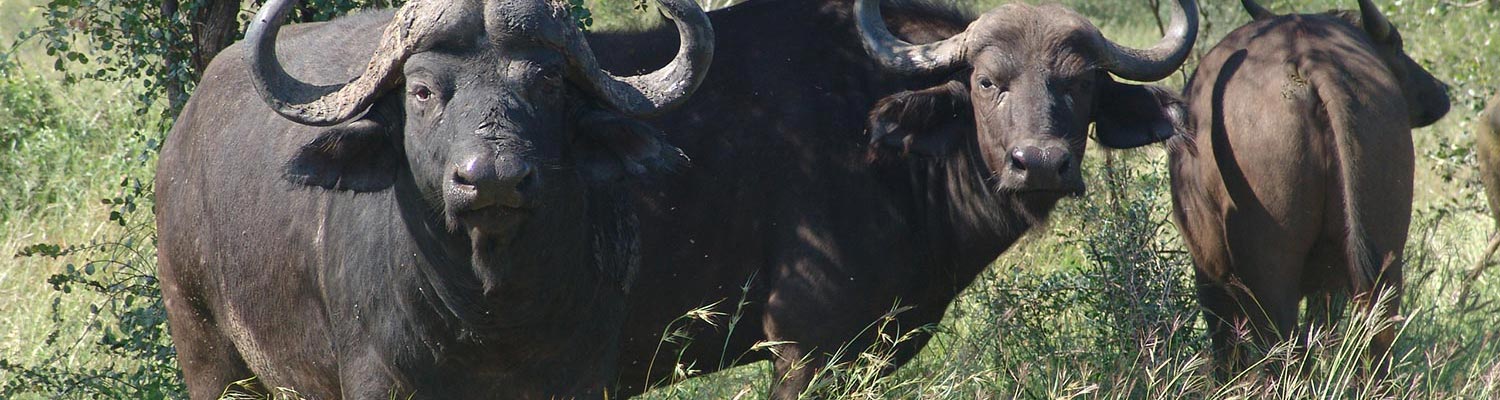
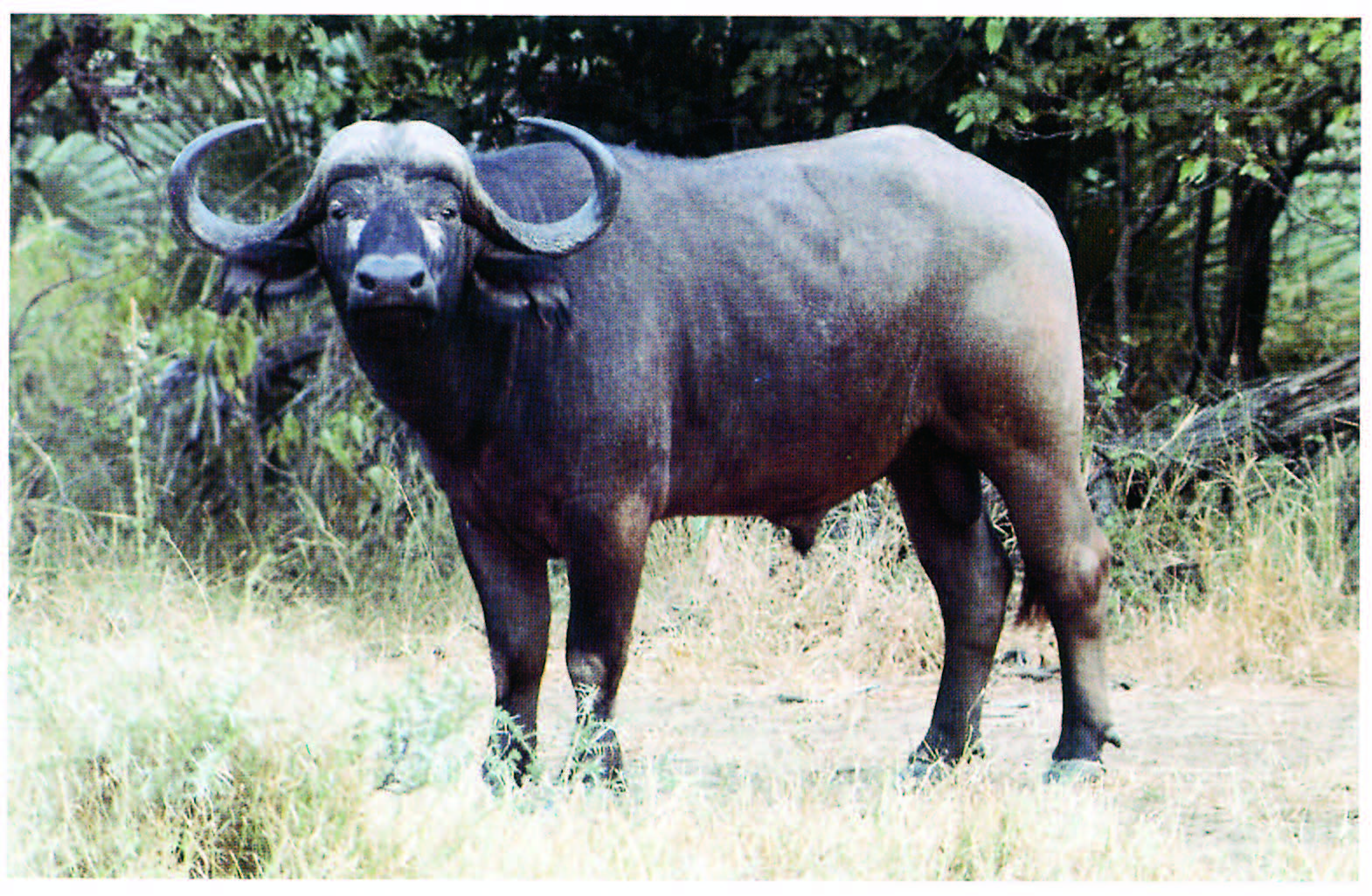
Corridor disease is an acute, usually fatal disease of cattle resembling East Coast fever and is caused by infection with buffalo- derived Theileria parva strains transmitted by ticks from African buffaloe (Syncerus caffer) (Figure 30.1). The disease was first recognized in 1934 in Zimbabwe as a form of pathogenic theilerial infection distinguishable from East Coast fever on clinical, pathological, parasitological and epidemiological grounds.11 Previous occurrences in the region may well have been obscured by the widespread prevalence of East Coast fever. Twenty years later the disease was recognized in South Africa18 and the causal organism was then identified as a new species, Theileria lawrencei, by Neitz16 in 1955. It was later proposed as a subspecies of T. parva, namely T. parva lawrencei.25 Subsequent investigation has revealed that the parasite is T. parva and is the same as that causing East Coast fever and Zimbabwe theileriosis, although the distinction between these disease forms has been retained and remains useful for descriptive purposes.27 The disease wasdescribed by Neitz.17
The disease was named buffalo disease, for obvious reasons, and Corridor disease, because the first outbreak in South Africa occurred in the corridor between the Hluhluwe and Umfolozi game reserves in KwaZulu-Natal. It occurs sporadically throughout eastern, central and southern Africa wherever there is contact between cattle and infected African buffalo in the presence of the ticks, Rhipicephalus appendiculatus, R. zambeziensis and R. duttoni (see Vectors: Ticks and East Coast fever: Figure 29.1). In the countries north of the Zambezi River, Corridor disease is not recognized as such in East Coast fever endemic areas and falls into the East Coast fever complex together with the disease caused by the cattle-derived parasite. After foot-and-mouth disease it is the most important disease transmitted from African buffalo to cattle and is a major constraint to the acceptance of the presence of buffalo in cattle-raising areas for purposes of conservation or recreation.
Aetiology and life cycle
Buffalo-derived T. parva is morphologically and serologically indistinguishable from cattle-derived T. parva and has an identical life cycle (see East Coast fever: Figure 29.2).
It is mainly transmitted by R. appendiculatus, although R. zambeziensis replaces R. appendiculatus as the vector in the more arid areas of southern Africa.12, 23 Epidemiological evidence suggests that in Angola the disease is transmitted by R. duttoni.6
Buffalo-derived T. parva can be considered to be a group of T. parva strains which are adapted to tick transmission within the African buffalo population, including the red dwarf buffalo (Syncerus caffer nanus) of Angola.6 It is universally distributed in wild buffalo throughout eastern, central and southern Africa, except in the Addo Elephant National Park in South Africa. It is usually non-pathogenic in this species although calves reared in captivity can be susceptible to T. parva infection and show clinical signs 9; fatal disease can also occur following experimental infection.2 The parasite persists indefinitely in infected buffalo in both schizont and piroplasm form and can be recovered consistently by tick transmission or culture of lymphocytes from such animals.31
Buffalo-derived T. parva is not well adapted to the ox and when transmission from buffalo to cattle occurs it usually fails to complete its development; many cattle die before sufficient time has elapsed for development of piroplasms, and in those that survive, piroplasms are very scanty and evidence of their presence by PCR disappears within two months 14, 36. Recovered animals are usually not infective for ticks but are immune to reinfection. In southern Africa the disease is considered to be self-limiting within a population of cattle once it is removed from the source of infection, because the seasonality of the tick does not permit acquisition of infection within the period of persistence of piroplasms; onward transmission from cattle has only been demonstrated experimentally. In eastern Africa repeated passage of infection in cattle has resulted in a change of the character of the organism on a number of occasions, the parasite behaviour and the disease that it causes becoming indistinguishable from classical East Coast fever.1, 13 This change is attributed to a ‘transformation’ of the parasite as it adapts to the ox, but an alternative explanation that the phenomenon represents selection of a T. parva strain from a mixed population in the buffalo must also be considered. There is no evidence that ‘transformation’ of buffalo-derived T. parva occurs in the region south of the Zambezi River, where classical East Coast fever is absent. This may reflect the infrequent contact between buffalo and cattle in the region. Furthermore, the seasonal appearance of the various tick stages29 reduces the likelihood of an animal being infected by one stage and infection being acquired by the following stage. In contrast, in eastern Africa, all tick stages may be present on the animal at the same time.
Buffalo-derived T. parva has been shown to infect a waterbuck subspecies (Kobus ellipsiprymnus defassa) from which infection was transmitted to ticks; this was not achieved using cattle-derived T. parva.30 Buffalo-derived T. parva will also infect and cause fatal disease in the Asiatic domestic buffalo (Bubalus bubalis).3
Epidemiology
African buffalo in T. parva endemic areas become infected soon after birth and the vast majority survive to become extremely efficient carriers of T. parva and remain so even in the absence of reinfection. Almost all buffalo in endemic areas in eastern Africa are T. parva carriers32 and ticks feeding on carrier buffalo become heavily infected. Corridor disease occurs only in cattle that graze pastures on which African buffalo are or have recently been present. Such situations occur where buffalo and cattle regularly share the same pasture, where cattle are moved into or through buffalo areas, or where buffalo stray from their natural habitat or game reserves into farming areas. It is not always easy to detect the presence of wild buffalo in a farming area. They may travel long distances and remain hidden in wooded areas, and the presence of a single buffalo for a relatively short period may be sufficient to cause a serious outbreak of disease amongst the cattle.
Possibilities for infection occurring in southern Africa are limited as buffalo do not usually inhabit densely populated or intensively farmed land. Contact is most common in the vicinity of game parks or in extensive cattle-raising areas with a substantial wildlife population. Increasing density of human population and the policy of prohibiting contact between buffalo and cattle as a foot-and-mouth disease control measure are likely to reduce the prevalence of the disease progressively in the future. However, in South Africa game ranching in conjunction with, or in the absence of, cattle is becoming increasingly popular in certain areas. As one of the so-called Big Five African game trophy animals, the buffalo is amongst the most sought-after game species for introduction to many game farms and game conservation areas. Buffalo that are free from Corridor disease and foot-and-mouth disease are in short supply for stocking purposes and consequently command an exceedingly high commercial value 10.
In eastern Africa, the absence of game fences, the mode of life of cattle-keeping pastoralist communities and the widespread distribution of buffalo populations, all contribute to buffalo-derived T. parva infection being a more significant problem.
Clinical signs
Corridor disease exhibits the same clinical features as East Coast fever except that the course is usually shorter, death sometimes occurring only three to four days after the onset of the first signs. The emaciation, diarrhoea and atrophy of lymph nodes, which are features of advanced East Coast fever, are not commonly seen in Corridor disease. Severe pulmonary oedema precedes death. The mortality rate is about 80 per cent.
Pathogenesis and pathology
The pathogenesis and pathology of Corridor disease are very similar to those of East Coast fever. Pulmonary oedema is a prominent feature but lymphoid hyperplasia and lymphoid infiltrations are generally not very advanced at death, and macroscopical lymphoid aggregations in the kidneys are uncommon.
Diagnosis
The diagnosis of Corridor disease depends on the recognition of the characteristic clinical signs and pathological changes, and on the microscopic demonstration of schizonts in a situation where contact between buffalo and cattle is known or may be presumed to have occurred. In marked contrast to East Coast fever, the parasites are usually very scanty and a prolonged search of smears of a selection of lymph nodes and spleen may be necessary to demonstrate schizonts. It is usually more rewarding to examine a number of different lymph nodes for a short period than a single lymph node for a long period as the distribution of parasites in the body is very variable. The presence of piroplasms does not provide supportive evidence as these are more likely to result from incidental infection with non-pathogenic species such as T. taurotragi or T. mutans. The immunofluorescent antibody test (IFAT) and T. parva-specific enzyme-linked immunosorbent assay (ELISA) are both applicable for detecting antibody after exposure to buffalo-derived T. parva (see East Coast fever: Control). The scarcity of piroplasms in recovered animals makes the use of a polymerase chain reaction (PCR) assay an attractive option for detecting persistently infected animals. These tests do not distinguish buffalo-derived from cattle-derived infections. Initial characterization studies on the p67 sporozoite antigen suggested that identification of alleles could potentially differentiate cattle-derived and buffalo-derived T. parva strains.20 Further studies have proved less encouraging 28, 24.
Control
Corridor disease responds to treatment with buparvaquone, but as the course of the disease is usually short it may be difficult to institute treatment in time for it to be effective. In South Africa, the treatment of diseased animals is not permitted by law.
Cross-protection experiments in cattle,35 monoclonal antibody studies5 and genotypic analysis4 have shown that isolates of T. parva from buffalo are antigenically more varied than those from cattle. The ‘Muguga cocktail’ gives variable protection where it has been used in East Africa; it has been effective on a wide scale in northern Tanzania but has failed in some areas of Kenya 19 (see East Coast fever: Control) Immunization against buffalo-derived T.parva is best achieved by infection and treatment using isolates of buffalo origin 7, 34, 8. Buffalo-derived T. parva is more difficult to control using conventional oxytetracycline during immunization and higher reactor rates tend to occur. Buparvaquone controls the post-immunization reactions better than oxytetracycline but can be over-effective leaving cattle partially or fully susceptible.21 Buffalo-derived T. parva transformed by serial passage in cattle protected cattle against challenge with the original parasite isolated from buffalo in one experiment, and was much easier to handle than the original isolate.13
In eastern Africa, where susceptible cattle are being kept in situations of high risk, and separation of buffalo and cattle is not an option, strict tick control is not sufficient to prevent infection being transferred from buffalo 33. In indigenous Zebu-type cattle, endemic stability may be established whereby calves born to immune dams are infected while young and most become immune, with few deaths.15
In southern Africa control of the disease is based on the prevention of contact between African buffalo and cattle wherever possible 10. Game reserves in cattle-raising areas which contain buffalo should be securely fenced and the introduction of buffalo into farming areas for purposes of game ranching or safari hunting should be strictly prohibited, unless the buffalo can be certified free from infection. However, problems have arisen identifying infected animals with PCR where concurrent infection of T. parva and T. sp. (buffalo) occurs 26. Despite these precautions, a significant number of outbreaks of Corridor disease do occur 14. The growing demand for buffalo that are free from brucellosis, Corridor disease and foot-and-mouth disease, and therefore suitable for translocation to non-endemic areas, far exceeds the limited supply of these sought after animals. In an attempt to help satisfy the demand for such animals in South Africa, Corridor disease-free buffaloes were bred successfully from Corridor disease-infected parent stock obtained from a foot-and-mouth disease-free area by rearing them in an environment free from tick vectors 10. Buffalo bred under these vector free conditions were colloquially known as project buffalo. Although transmission of infection by tick vectors to the progeny can be eliminated in this way, the calves must be monitored for possible transplacental infection with T. parva. The buffalo projects were terminated at the end of 2011 due to breakthrough infections that were detected only when project buffalo were exposed to vector infested pastures, together with the fact that a sufficient supply of disease- free buffalo became available from outside the Corridor endemic area.
When an outbreak of the disease does occur, the usual procedure is to remove the cattle to uninfected pasture, to institute strict tick control procedures and to attempt to locate the source of contact and thus prevent future recurrences. As the disease is usually self-limiting in cattle, prolonged quarantine of infected herds is rarely indicated, but outbreaks should be monitored carefully for several months to ensure that cattle-to-cattle transmission does not occur. In South Africa, infected buffalo outside the Corridor disease endemic area must be moved back to the endemic region and infected game farms are placed under quarantine for at least two years, before disease- free buffalo may be introduced again. It is also against the law to graze cattle and buffalo on the same farm or pastures.
References
- BARNETT, SF & BROCKLESBY, D.W., 1966. The passage of 'Theileria lawrencei (Kenya)' through cattle. British Veterinary Journal, 122, 396-409.
- BROCKLESBY, D.W. & BARNETT, S.F., 1966. The isolation of 'Theileria lawrencei (Kenya)' from a wild buffalo (Syncerus caffer) and its serial passage through captive buffaloes. British Veterinary Journal, 122:387-395.
- BURRIDGE, M.J. & ODEKE, G.M., 1973. Theileria lawrencei: Infection in the indian water buffalo, Bubalus bubalis. Experimental Parasitolology, 34, 257-61.
- CONRAD, P., OLE-MOIYOI, O.K., BALDWIN, C.L., DOLAN, T.T., O'CALLAGHAN, C.J., NJAMUNGGEH, R.E.G., GROOTENHUIS, J.G., STAGG, D.A., LEITCH, B.L. & YOUNG, A.S., Characterisation of buffalo-derived theilerial parasites with monoclonal antibodies and DNA probes. Parasitology, 98,179-88.
- CONRAD, P.A., STAGG, D.A., GROOTENHUIS, J.G., IRVIN, A.D., NEWSON, J., NJAMUNGGEH, R.E.G., ROSSITER, P.B. & YOUNG, A.S., 1987. Isolation of 'Theileria' parasites from African buffalo (Syncerus caffer) and characterization with anti-schizont monoclonal antibodies. Parasitology, 94,413-424.
- DA GRACA, H.M. & SERRANO, F.M.H., 1971. Contribuicao para o estudo da theileriose sincerina maligna dos bovinos, em Angola. Acta Veterinaria, Nova Lisboa.
- DOLAN TT., 1985. Immunization against theileriosis on Ol Pejeta Ranch, Laikipia, Kenya. In: IRVIN, A.D., (ed.). Immunization Against Theileriosis in Africa. Nairobi: International laboratory for Research on Animal Diseases.
- LATIF, A.A., HOVE, T., KANHAI, G.K. & MASAKA, S., 2001. Exposure of cattle immunized with different stocks of Theileria parva to buffalo-associated Theileria challenge on two game parks in Zimbabwe. Onderstepoort Journal of Veterinary Research, 68, 197-201.
- LATIF, A.A., HOVE, T., KANHAI, G.K. & MASAKA, S., 2002. Buffalo-associated Theileria parva: The risk to cattle of buffalo translocation into the highveld of Zimbabwe. Annals of the New York Academy of Sciences, 969, 275-279.
- LAUBSCHER, L. & H.L., 2012. An overview of disease-free buffalo breeding projects with reference to the different systems used in South Africa. Sustainability 4, 3124-3140.
- LAWRENCE, D.A., 1935. Report of the director of veterinary research, Southern Rhodesia, for the year 1934.
- LAWRENCE, J.A., NORVAL, R.A.I. & UILENBERG, G., 1983. Rhipicephalus zambeziensis as a vector of bovine theileriae. Tropical Animal Health and Production, 15, 39-42.
- MARITIM, A.C., YOUNG, A.S., LESAN, A.C., NDUNGU, S.G., STAGG, D.A. & NGUMI, P.N., 1992. Transformation of Theileria Parva derived from African buffalo (Syncerus caffer) by tick passage in cattle and its use in infection and treatment immunization. Veterinary Parasitology, 43, 1-14.
- MBIZENI, S., POTGIETER, F.T., TROSKIE, C., MANS, B.J., PENZHORN, B.L. & LATIF, A.A., 2013. Field and laboratory studies on Corridor disease (Theileria parva infection) in cattle population at the livestock/game interface of uPhongolo-Mkuze area, South Africa. Ticks and Tick Borne Diseases, 4, 227-34.
- MOLL, G., LOHDING, A. & YOUNG, A.S., 1984. Epidemiology of theileriosis in the Trans-Mara Division, Kenya. Husbandry and disease background and preliminary investigations on theilerioses in calves. Preventive Veterinary Medicine, 2, 801-832.
- NEITZ WO., 1955. Corridor disease: A fatal form of bovine theileriosis encountered in Zululand. Bulletin of Epizootic Diseases of Africa, 3, 121-3.
- NEITZ WO., 1957. Theileriosis, gonderioses and cytauxzoonoses: A review. Onderstepoort Journal of Veterinary Research, 27, 275-430.
- NEITZ, W.O., CANHAM, A.S. & KLUGE, E.B., 1955. Corridor disease: A fatal form of bovine theileriosis encountered in Zululand. Journal of the South African veterinary Medical Association, 26, 79-87.
- NENE, V., KIARA, H., LACASTA, A., PELLE, R., SVITEK, N. & STEINAA, L. 2016. The biology of Theileria parva and control of EAST Coast Fever - Current status and future trends. Ticks and Tick-borne Diseases, 7, 549-564.
- NENE, V., MUSOKE, A.J., GOBRIGHT, E & MORZARIA, S., 1996. Conservation of the sporozoite p67 vaccine antigen in cattle-derived Theilera parva stocks with different cross immunity profiles. Infection and Immunity, 64, 2056 - 2061.
- NGUMI, P.N., YOUNG, A.S., LAMPARD, D., MINING, S.K., NDUNGU, S.G. LESAN, A.C., WILLIAMSON, S.M., LINYONI, A. & KARIUKI,D.P., 1992. Further evaluation of the use of buparvaquone in the infection and treatment method of immunising cattle against Theileria parva derived from African buffalo (Syncerus caffer). Veterinary Parasitology, 43(1-2), 15-24.
- NORVAL, R.A.I., FIVAZ, B.H., LAWRENCE, J.A. & BROWN, A.F., 1985. Epidemiology of tick-borne diseases of cattle in Zimbabwe III. Theilera parva group. Tropical Animal Health and Production, 17, 19-28.
- NORVAL, R.A.I., PERRY, B.D. & YOUNG, A.S., 1992. The Epidemiology of Theileriosis in Africa. London: Academic Press.
- OBARA, I., ULRIKE, S., MUSOKE, T., SPOONER, P. R., JABBAR, A., ODONGO, D., KEMP, S., SILVA, J.C. & BISHOP, R.P., 2015. Molecular evolution of a central region containing B cell epitopes in the gene encoding the p67 sporozoite antigen within a field population of Theileria parva. Parasitology Research, 114. 1729-1737.
- PERRY B.D. & YOUNG, A.S., 1993. The naming game: The changing fortunes of east coast fever and Theileria parva. The Veterinary Record, 133,613-616.
- PIENAAR, R., POTGIETER, F.T., LATIF, A.A. & THEKISOE, O.M.M., 2011. Mixed Theileria infections in free-ranging buffalo herds: Implications for diagnosing Theileria parva infections in Cape buffalo (Syncerus caffer). Parasitology, 138, 884-895.
- POTGIETER, F.T., STOLTSZ, W.H., BLOUIN, E.F. & ROOS, J.A., 1988. Corridor disease in South Africa: A review of the current status. Journal of South African Veterinary Association, 59, 155-60.
- SIBEKO, K.P., GEYSEN, D., OOSTHUIZEN, M.C., MATTHEE, C.A., TROSKIE, M., POTGIETER, F.T., COETZER, J.A.W. & COLLINS, N.E., 2010. Four p67 alleles identified in South African Theileria parva field samples. Veterinary Parasitology, 167, 244-254.
- SHORT, N.J. & NORVAL, R.A.I., 1981. The seasonal activity of Rhipicephalus Appendiculatus Neumann. 1901 (Acari: Ixodidae) in the highveld of Zimbabwe Rhodesia. Journal of Parasitology, 67, 77 - 84.
- STAGG, D.A., 1992. Studies of theilerial parasites of waterbuck (Kobus defassa) and their possible role in the epidemiology of east coast fever. PHD thesis, University of Salford, U.K.
- STAGG, D.A., CONRAD, P.A. & ROSSITER, P.B., 1987. Isolation of Theileria parva lawrencei infected lymphoid cell lines from free ranging African buffalo (Syncerus caffer). Research in Veterinary Science, 43, 124-6.
- UILENBERG G., 1976. Tick-borne livestock diseases and their vectors. 2. Epizootiology of tick-borne diseases. World Animal Review, 17, 8-15.
- WALKER, J.G., KLEIN, E.Y. & LEVIN, S.A. 2014. Disease at the wildlife-livestock interface: Acaricide use on domestic cattle does not prevent transmission of a tick-borne pathogen with multiple hosts. Veterinary Parasitology, 199, 206-214.
- YOUNG, A.S., BROWN, C.G.D., CUNNINGHAM, M.P. & RADLEY, D.E., 1978. Evaluation of methods of immunizing cattle against Theileria lawrencei. In: WILDE, J.K.H., (ed.). Tick-borne Diseases and their Vectors. Edinburgh: University of Edinburgh Centre for Tropical Veterinary Medicine.
- YOUNG, A.S., GROOTENHUIS, J.G., MUTUGI, J.J., MARITIM, A.C., KARIUKI, D.P. & LAMPARD, D., 1990. The corridor disease problem and immunisation trials against Theileria parva lawrencei infection in Kenya. In: YOUNG, A.S., MUTUGI, J.J. & MARITIM, A.C. (eds). Progress towards the Control of East Coast Fever (Theileriosis) in Kenya. Nairobi: Kenya Agricultural Research Institute.
- YUSUFMIA, S.B.A.S., COLLINS, N.E., NKUNA, R., TROSKIE, M., VAN DEN BOSSCHE, P. & PENZHORN, B.L., 2010. Occurrence of Theileria parva and other haemoprotozoa in cattle at the edge of Hluhluwe-iMfolozi park, KwaZulu-Natal, South Africa. Journal of the South African Veterinary Association, 81, 45-49.