- Infectious Diseases of Livestock
- Part 2
- Caprine arthritis-encephalitis
- GENERAL INTRODUCTION: PARAMYXOVIRIDAE AND PNEUMOVIRIDAE
- Rinderpest
- Peste des petits ruminants
- Parainfluenza type 3 infection
- Bovine respiratory syncytial virus infection
- Hendra virus infection
- Paramyxovirus-induced reproductive failure and congenital defects in pigs
- Nipah virus disease
- GENERAL INTRODUCTION: CALICIVIRIDAE AND ASTROVIRIDAE
- Vesicular exanthema
- Enteric caliciviruses of pigs and cattle
- GENERAL INTRODUCTION: RETROVIRIDAE
- Enzootic bovine leukosis
- Jaagsiekte
- Visna-maedi
- Caprine arthritis-encephalitis
- Equine infectious anaemia
- GENERAL INTRODUCTION: PAPILLOMAVIRIDAE
- Papillomavirus infection of ruminants
- Papillomavirus infection of equids
- GENERAL INTRODUCTION: ORTHOMYXOVIRIDAE
- Equine influenza
- Swine influenza
- GENERAL INTRODUCTION: CORONAVIRIDAE
- Porcine transmissible gastroenteritis
- Porcine respiratory coronavirus infection
- Porcine epidemic diarrhoea
- Porcine haemagglutinating encephalomyelitis virus infection
- Porcine deltacoronavirus infection
- Bovine coronavirus infection
- Ovine coronavirus infection
- Equine coronavirus infection
- GENERAL INTRODUCTION: PARVOVIRIDAE
- Porcine parvovirus infection
- Bovine parvovirus infection
- GENERAL INTRODUCTION: ADENOVIRIDAE
- Adenovirus infections
- GENERAL INTRODUCTION: HERPESVIRIDAE
- Equid herpesvirus 1 and equid herpesvirus 4 infections
- Equid gammaherpesvirus 2 and equid gammaherpesvirus 5 infections
- Equine coital exanthema
- Infectious bovine rhinotracheitis/infectious pustular vulvovaginitis and infectious pustular balanoposthitis
- Bovine alphaherpesvirus 2 infections
- Malignant catarrhal fever
- Pseudorabies
- Suid herpesvirus 2 infection
- GENERAL INTRODUCTION: ARTERIVIRIDAE
- Equine viral arteritis
- Porcine reproductive and respiratory syndrome
- GENERAL INTRODUCTION: FLAVIVIRIDAE
- Bovine viral diarrhoea and mucosal disease
- Border disease
- Hog cholera
- Wesselsbron disease
- Louping ill
- West nile virus infection
- GENERAL INTRODUCTION: TOGAVIRIDAE
- Equine encephalitides caused by alphaviruses in the Western Hemisphere
- Old World alphavirus infections in animals
- Getah virus infection
- GENERAL INTRODUCTION: BUNYAVIRIDAE
- Diseases caused by Akabane and related Simbu-group viruses
- Rift Valley fever
- Nairobi sheep disease
- Crimean-Congo haemorrhagic fever
- GENERAL INTRODUCTION: ASFARVIRIDAE
- African swine fever
- GENERAL INTRODUCTION: RHABDOVIRIDAE
- Rabies
- Bovine ephemeral fever
- Vesicular stomatitis and other vesiculovirus infections
- GENERAL INTRODUCTION: REOVIRIDAE
- Bluetongue
- Ibaraki disease in cattle
- Epizootic haemorrhagic disease
- African horse sickness
- Equine encephalosis
- Palyam serogroup orbivirus infections
- Rotavirus infections
- GENERAL INTRODUCTION: POXVIRIDAE
- Lumpy skin disease
- Sheeppox and goatpox
- Orf
- Ulcerative dermatosis
- Bovine papular stomatitis
- Pseudocowpox
- Swinepox
- Cowpox
- Horsepox
- Camelpox
- Buffalopox
- GENERAL INTRODUCTION: PICORNAVIRIDAE
- Teschen, Talfan and reproductive diseases caused by porcine enteroviruses
- Encephalomyocarditis virus infection
- Swine vesicular disease
- Equine picornavirus infection
- Bovine rhinovirus infection
- Foot-and-mouth disease
- GENERAL INTRODUCTION: BORNAVIRIDAE
- Borna disease
- GENERAL INTRODUCTION: CIRCOVIRIDAE AND ANELLOVIRIDAE
- Post-weaning multi-systemic wasting syndrome in swine
- GENERAL INTRODUCTION: PRION DISEASES
- Scrapie
- Bovine spongiform encephalopathy
- Transmissible spongiform encephalopathies related to bovine spongiform encephalopathy in other domestic and captive wild species
Caprine arthritis-encephalitis
This content is distributed under the following licence: Attribution-NonCommercial CC BY-NC  View Creative Commons Licence details here
NJ Maclachlan and M-L Penrith (Editors). B G Murphy, D P Knowles and M A Highland, Caprine arthritis-encephalitis, 2018.
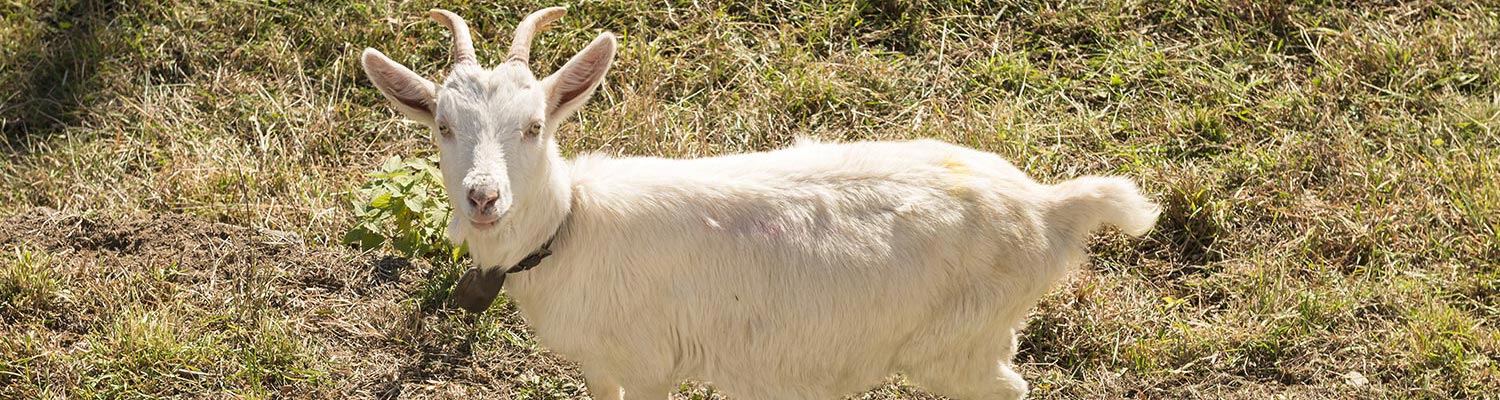
Caprine arthritis-encephalitis
Previous authors: D WERLING AND W LANGHANS
Current authors:
B MURPHY - Associate Professor, DVM, PhD, Dip ACVP, VetMed PMI, 4206 VetMed, 3A One Shields Ave, Davis, California, USA
D P KNOWLES - Research Leader, DVM, PhD, DACVP, 405 Bustad Hall, Department of Veterinary Microbiology and Pathology, Washington State University, Pullman, Washington, WA 99164-7040, USA
M A HIGHLAND - Veterinary medical officer - Researcher/scientist, DVM, PhD, Diplomate ACVP, USDA-ARS-ADRU, ADBF 3033, Washington State University, Pullman, Washington, WA 99164-7040, USA
Introduction
Caprine arthritis-encephalitis (CAE) is a persistent, progressive and multisystemic disease of goats caused by the lentivirus caprine arthritis-encephalitis virus (CAEV). Caprine arthritis-encephalitis is present in goat populations in many parts of the world, and the prevalence of infection may reach over 80 per cent in some countries.2 Genomically, CAEV is very similar to the visna-maedi virus (VMV) of sheep , which had originally been described in Iceland as the aetiologic agent of chronic interstitial pneumonia (maedi, "breathlessness") and demyelinating leukoencephalomyelitis (visna, "wasting") (see Visna-maedi).42, 43
Compelling evidence gathered over the past ten years indicates that CAEV and VMV are able to cross species barriers and coinfect both sheep and goats. As a result of their phylogenetic proximity, similarities in disease pathogenesis, and natural interspecies transmission, these viruses are now collectively referred to as small ruminant lentiviruses (SRLV).32 In addition to domestic goats (Capra aegagrus hircus) and domestic sheep (Ovis aries), CAEV is capable of infecting wild small ruminants, such as ibex (Capra ibex) and mouflon (Ovis aries orientalis).14, 16, 24 The ability of SRLV to cross species barriers is unusual, as most lentiviruses have a limited ability to grow in cells from non-host species.5
Small ruminant lentiviruses have a tropism for four different tissue types - central nervous system (CNS) tissue (brain and spinal cord), joint synovium, lung, and mammary gland. Viral tissue tropism, and resultant clinical signs, are relatively predictable for goats (CNS and synovial joints) and sheep (lung and CNS). As a result of the cellular tropism for histiocytic cells, infection with this group of viruses results in inflammatory syndromes, rather than immunodeficiency diseases, as typically seen with some other lentiviruses. The main clinical signs in young kids are ataxia, lameness, and paralysis caused by leukoencephalomyelitis. In older goats, the disease usually presents as a slowly progressive polyarthritis referred to as caprine arthritis, and occasionally as progressive interstitial pneumonia or chronic mastitis.
Aetiology
Caprine arthritis-encephalitis virus is a lentivirus within the Retroviridae family. Lentiviruses are slowly progressive, non-oncogenic viruses that cause chronic degenerative diseases with long incubation periods and life-long viral persistence. Other lentiviruses include the human immunodeficiency virus (HIV), simian immunodeficiency virus (SIV), feline immunodeficiency virus (FIV), equine infectious anaemia virus (EIAV), and bovine immunodeficiency virus (BIV). Caprine arthritis-encephalitis virus isolation was initially reported in 1980 by two different research groups using explanted tissue obtained from virus-infected goats.10, 34
Small ruminant lentiviruses are 80-100 nm in diameter and have a host cell-derived lipid bilayer surrounding core proteins encasing the viral genome. The genomes of lentiviruses are composed of two single-stranded, 8.4-9.2 kb-long polyadenylated RNA molecules. In the early phase of infection, the viral RNA is converted into a double-stranded DNA form, known as the provirus, through the process of reverse transcription. 18 All lentiviruses share a similar genomic organization with gag, pol and env genes, and a varying number of regulatory and/or accessory genes. The gag (group-specific antigen) gene encodes for the matrix, capsid and nucleic acid-binding proteins. The pol (polymerase) gene encodes for the reverse transcriptase, protease and integrase enzymes. The env (envelope) gene encodes for the two envelope glycoproteins, which are cleaved from a larger precursor protein. The transmembrane (TM) protein anchors the surface protein (SU)-TM complex in the virion envelope, and contains a domain responsible for the fusion of viral and cellular membranes with the SU protein that recognizes cell surface receptors. Because of their presence on the viral surface, a strong humoral response against these two glycoproteins is induced during infection. In addition to gag, pol and rev, SRLV also have three accessory genes, vif, rev and a vpr-like gene (formerly known as tat).
Epidemiology
The clinical signs of caprine arthritis were first reported in Switzerland in 1969.45, 52 Similar reports came from studies performed in Germany44 and Japan,33 and the encephalitic form was subsequently recognized in Germany44 and also recorded in the USA8 before the retroviral aetiology was discovered.10, 34 Caprine arthritis-encephalitis occurs almost worldwide.2 In some African countries, infection is limited to imported animals and their progeny.2 International movement of goats has been implicated as the major mechanism of virus dissemination.
For many decades, the primary mode of CAEV transmission was thought to be from dam to kid via ingestion of infected colostrum or milk. However, evidence now suggests that horizontal transmission also plays an important role. Winter housing of animals in northern climates provides an ideal opportunity for horizontal transmission.32 Other evidence for horizontal transfer includes increased seroprevalence with ageing, and incorporation of new animals into flocks that seroconvert. Environmental conditions that promote horizontal transfer are: prolonged periods of co-housing, increased transmission pressure such as increasing density of infected animals and dose, decreased ventilation, and high stocking density in pens.6, 37, 38
A CAEV positive buck can transmit CAEV to a negative doe via mating.3
Pathogenesis
Caprine arthritis-encephalitis virus is capable of infecting monocytes, macrophages and dendritic cells. However, unlike the immunodeficiency viruses HIV, SIV and FIV, CAEV is not able to permissively infect CD4 T cells. As a result, depletion of lymphocytes (and immunodeficiency) is not a feature of CAEV pathogenesis. Proviral DNA is produced and integrates into the cellular genome in infected monocytes, but viral transcription remains essentially undetectable (latency). As monocytes develop into tissue macrophages, viral replication (transcription, translation and virion assembly) is activated. Activation of viral replication leads to opportunity for immunopathogenesis and horizontal transmission. Infected cells contain few (often only one) proviral copies integrated into the host cell DNA.32 Proviral integration into the target cell’s genome allows CAEV to persist as a surrogate cellular gene, passed on to each daughter cell during cellular division.
The process of retrotranscription (viral RNA copied to proviral DNA) is error-prone due to the lack of fidelity of the viral reverse transcriptase. As a result, 0.1 to 2 point mutations are generated within the viral genome during each replication cycle.32 In addition, host cells infected with two different SRLV can facilitate the process of viral recombination, in which markedly variant chimeric viruses may be created. Viral genetic diversity is a key feature of lentiviral pathogenesis, allowing the virus to evade the host immune response and to ensure viral persistence. Five genetic groups of SRLV (A-E) are currently recognized that differ from each other in 25-37 per cent of their nucleotide sequence. Within each genetic group, multiple genetic subtypes have been identified (A1-A15, B1-B3, etc.).32 Some of these SRLV variants have only been detected in either sheep or goats (classical VMV and CAEV strains) but it has been clearly shown that natural cross-species infection of SRLV occurs as well.5
Infected animals may not develop clinical signs for months or years after infection- even then, only a subset of infected animals typically develop clinical signs of disease. During the subclinical stage, few cells in the tissues express the virus.1 However, virus isolation is possible during this stage by co-incubation of peripheral blood mononuclear cells, synovial fluid or tissue explants with indicator cells. 22 Animals that progress into the clinical stage of disease have higher viral loads than those with subclinical infection. 7, 22 However, as the viral load appears to be relatively low even in animals manifesting severe clinical signs, the question arises as to how CAEV is able to cause severe clinical signs with such low levels of viral replication. Seemingly paradoxical observations such as these have led to the concept that caprine arthritis lesions are augmented by immunologic injury (immune-mediated lesions).
The chronic inflammatory response, which is the primary pathological lesion, probably results from sustained low-level stimulation of the immune system. In all cases however, infected macrophages can be found in the tissues, and the lesions appear to be caused by cytokines produced by infected macrophages or lymphocytes interacting with other cells. Previous studies have shown that interaction of T-cells with infected macrophages results in the production of cytokines with IFNγ-like activity. Fluid containing this cytokine causes enhanced expression of major histocompatibility complex (MHC) class II in macrophages, and a reduction of viral replication in infected cells. 35, 51 Infection with CAEV seems to alter production of cytokines [IL-2, IL-6, IL-8, IL-12, tumour necrosis factor (TNF)α, IFNγ and monocyte-chemoattractant protein (MCP)-1] in stimulated or unstimulated macrophages. Some of these cytokines are known to stimulate the immune response or are released in rheumatoid arthritis (RA) in humans.25, 27, 28, 47 It has also been shown that joints of goats in the late stage of CAEV infection with severe clinical signs of arthritis contain more cells expressing inducible nitric oxide synthase (iNOS) compared to joints of uninfected animals or animals with mild arthritic signs.26 This finding is similar to the increased levels of nitrite, the breakdown product of NO, observed in the sera of RA patients.15, 46 Inducible nitric oxide synthase protein has also been detected in inflamed synovial tissue.31, 41
Little is known about the antiviral T-cell-mediated response of CAEV-infected goats. Although cytotoxic lymphocytes have been demonstrated in infected goats,29 neither the time of their appearance after infection nor their role in controlling the immune response or viral production are known. It has been demonstrated that animals with severe clinical arthritis show deficient CD4+ T-cell proliferative responses to viral envelope glycoproteins, but the responses to other antigens are similar to those of subclinically infected animals.36
The antibody response in CAEV infection has been studied extensively. Following natural infection, it can take weeks to months for antibodies against CAEV to become detectable.39 Many of these anti-CAEV antibodies are non-neutralizing. The poor neutralizing antibody response to CAEV may be due to the glycosylation pattern of the viral envelope glycoproteins.17 This phenomenon has also been suggested for respiratory syncytial virus infection. Sialic acids on the surface of the virus decrease the avidity of binding between virus and antibody, in some cases even completely masking the neutralizing determinant.17 Treatment of the virus with neuraminidase enhance its binding kinetics and neutralization.20 It has therefore been hypothesized that non-neutralizing antiviral antibodies do not play a protective role, and may even enhance disease progression.4, 30 Non-neutralizing antibodies may bind virus, producing infectious immune complexes that are taken up by macrophages through their Fc receptors, thus enhancing infection.20 A similar antibody-mediated disease enhancement has been observed in HIV and feline immunodeficiency virus infection.
The synovial fluid of arthritic goats contains abundant levels of polyclonal immunoglobulin G (IgG1) antibodies as compared to serum from the same animal.19 It has been assumed that most of these antibodies are produced by plasma cells found in high numbers in the inflamed synovia of arthritic goats. A link between disease susceptibility and certain MHC class I and class II antigens has been established in Saanen goats.40 A genetic predisposition for susceptibility to SRLV infection and disease has been identified in some animals.48
Clinical signs
Interestingly, only 25 to 30 per cent of CAEV-infected goats typically develop clinical signs.11, 13 Subclinical inflammatory changes can be found in various organs of infected animals in the absence of overt clinical signs. In adult goats affected by caprine arthritis, the first clinical signs typically include effusion of the carpal joints and associated lameness that increase gradually and may involve other joints and the surrounding connective tissues as the disease progresses. Affected animals may eventually become recumbent, developing secondary lesions such as dermatitis, abscessation and osteomyelitis.
In contrast to caprine arthritis in adult animals, the neurologic form of the disease in goat kids less than six months old is less commonly diagnosed. It is characterized by neurologic signs such as tremors, ataxia, star-gazing and paralysis. The rate at which both forms of the disease progress is highly variable. The arthritic and neurologic forms of the disease may occur concurrently in the same animal, but generally one form tends to predominate. Indurative mastitis (“hard bag”) and respiratory signs (interstitial pneumonia) such as a chronic cough and weight loss, are occasionally seen in affected animals.
Pathology
The virus affects synovial membranes, including those of joints, tendon sheaths and bursae. The carpal, tarsal, and stifle joints, and the atlantal and supraspinous bursae are frequently involved.23 Other sites that may be involved include the metatarsal and metacarpal joints and vertebral joints. In sheep, SRLV-induced inflammation in locations other than the carpal or metacarpal joints are rare.32 Gross enlargement of the affected joints is often observed. Acute inflammation is accompanied by distension of joint capsules, tendon sheaths, and bursae by excessive synovial fluid which is serous in nature, dark yellow or blood-tinged, and often contain small free-floating pieces of fibrin or synovial membrane, lymphocytes, and macrophages. The articular cartilage generally remains intact until the later stages of the disease.12 In chronic cases, the synovial fluid may appear normal, but degeneration, which progresses to necrosis and mineralization, occurs in the periarticular collagenous tissues, joint and bursal capsules, and tendons and tendon sheaths. Degenerative joint disease manifested by partial to complete loss of articular cartilage and periarticular osteophyte development may also be present.11, 23, 49, 50 Severe and long-standing disease sometimes results in axial or lateral deviation of a limb, joint deformation, rupture of tendons, or collapse of osseous structures.12 Severely affected joints may ankylose, and fibrinous material may fill severely enlarged and distended atlantal and supraspinous bursae and tendon sheaths.11, 12
Histopatologic changes affecting joint capsules include marked hyperplasia of synovial membranes and villi (proliferative synovitis) and capsular thickening, fibrosis, and inflammatory infiltrates. Histologically, the inflamed synovia have hyperplasia of the lining epithelium, neoangiogenesis, fibrosis, and infiltration of the intima and subintima of blood vessels with T and B lymphocytes, macrophages and plasma cells. Lymphoid follicle-like structures with germinal centres may be present in the affected synovia.10, 12, 21, 23 Generalized lymphadenopathy and lymphoid follicular hyperplasia in lymph nodes and spleen are prominent features of CAEV infection.
Young goat kids infected by ingestion of virus-containing colostrum or milk may develop leukoencephalomyelitis resulting in pelvic limb paralysis and occasional quadriplegia.9 More often, disease signs manifest months or years later in the form of arthritis. The neurologic form of the disease is characterized by demyelinating non-suppurative leukoencephalomyelitis, similar to lesions present in sheep with visna.12, 23
The changes in the lungs is thickening of the alveolar septa caused by infiltration of mononuclear cells, mainly lymphocytes and monocytes, and hyperplasia of smooth muscle cells (interstitial pneumonia), and mastitis of the mammary gland characterized by interstitial accumulations of lymphocytes, the formation of periductal lymphoid nodules, and necrosis at the site of these nodules. These lesions in the lungs and mammary glands are similar to those caused by VMV.23
Diagnosis
The clinical diagnosis of CAE is complicated by the variability of the age-related clinical signs and the low proportion of infected animals developing clinical signs. As a result, CAEV diagnosis is generally based upon clinical signs in addition to a variety of diagnostic tests. Since most CAEV-infected animals are not persistently viraemic, demonstration of antiviral antibodies forms the basis of most diagnostic tests. Seropositivity combined with the history, clinical signs, and pathological lesions support a positive diagnosis. A variety of serological techniques, such as direct, indirect, or competitive ELISA, agar gel immune-diffusion (AGID), or Western blot assays can be used to detect the presence of antiviral antibodies.
Other laboratory-based methods of CAEV surveillance and diagnosis include cocultivation of blood or tissue samples with CAEV-susceptible cell lines like goat synovial membrane cells. In vitro cell cultures infected with CAEV typically demonstrate cytopathological changes to cytopathological effects (CPE) like multinucleate syncytia formation and induction of apoptosis. Some diagnostic tests are based upon the demonstration of viral nucleic acid (real-time or nested PCR). PCR-based techniques are carried out most commonly using peripheral blood mononuclear cells, although levels of circulating infected cells are below detection and therefore limit test utility.32
Differential diagnosis
Arthritis in goats can also be caused by bacteria, including Mycoplasma spp. and Chlamydophila spp. Bacterial arthritides are usually more acute, suppurative or fibrinous in nature, and are often accompanied by fever. Positive reaction to antibiotic treatment and isolation of the causative agent suffice to distinguish these causes from CAEV. The differential diagnosis in the case of central nervous involvement include listeriosis, scrapie, rabies, polioencephalomalacia and tetanus.
Control
Control of CAEV infection at the country level depends on identification of infected goats through strict regulation of the importation of goats, especially European dairy breeds. Infection rates at the herd level can be reduced by either raising kids from CAEV-infected female goats with the colostrum and milk of CAEV-negative goats, or by culling of seropositive animals. Spatial separation of infected and non-infected animals in either separate buildings or pastures, without any physical contact, also decreases spread of CAEV infection in a herd. Infection has apparently been eradicated from Kenya by the culling of all seropositive goats. In countries where the disease has a high prevalence, it should be feasible to reduce and eventually eliminate losses by a test-and-removal scheme similar to that followed in the case of maedi-visna. In summary, control of CAEV infection is accomplished by serological testing followed by segregation or culling of positive animals. Should retention of positive does be desired, infection of kids can be controlled by the immediate separation of kids from does at birth and the feeding of colostrum and milk from CAEV free does. There is no treatment for the disease other than symptomatic.3
References
- ADAMS, D. S., CRAWFORD, T. B., BANKS, K. L., MC GUIRE, T. C. & PERRYMAN, L. E., 1980. Immune responses of goats persistently infected with caprine arthritis-encephalitis virus. Infection and Immunity, 28, 421-427.
- ADAMS, D. S., OLIVER, R. E., AMEGHINO, E., DEMARTINI, J. C., VERWOERD, D. W., HOUWERS, D. J., WAGHELA, S., GORHAM, J. R., HYLLSETH, B., DAWSON, M., TRIGO, F. J. & MC GUIRE, T. C., 1984. Global survey of serological evidence of caprine arthritis-encephalitis virus infection. The Veterinary Record, 115, 493-495.
- AL AHMAD, M. Z., CHEBLOUNE, Y., CHATAGNON, G., PELLERIN, J. D. & FIENI, F., 2012. Is caprine arthritis encephalitis virus (CAEV) transmitted vertically to early embryo development stages (morulae or blastocyst) via in vitro infected frozen semen? . Theriogenology, 77(8), 1673-1678.
- BERTONI, G., ZAHNO, M. L., ZANONI, R., VOGT, H. R., PETERHANS, E., RUFF, G., CHEEVERS, W. P., SONIGO, P. & PANCINO, G., 1994. Antibody reactivity to the immunodominant epitopes of the caprine arthritis-encephalitis virus gp38 transmembrane protein associates with the development of arthritis. Journal of Virology, 68, 7139–7147.
- BLACKLAWS, B. A., 2012. Small ruminant lentiviruses: Immunopathogenesis of visna-maedi and caprine arthritis encephalitis. Comparative immunology, microbiology and infectious diseases, 35, 259-269.
- BLACKLAWS, B. A., BERRIATUA, E., TORSTEINSDOTTIR, S., WATT, N. J., DE ANDRES, D., KLEIN, D. & HARKISS, G. D., 2004. Transmission of small ruminant lentiviruses. Veterinary Microbiology, 101, 199-208
- BRODIE, S. J., PEARSON, L. D., ZINK, M. C., BICKLE, H. M., ANDERSON, B. C., MARCOM, K. A. & DEMARTINI, J. C., 1995. Ovine lentivirus expression and disease. Virus replication, but not entry, is restricted to macrophages of specific tissues. American Journal of Pathology, 146, 250–263.
- CORK, L. C., HADLOW, W. J., CRAWFORD, T. B., GORHAM, J. R. & PIPER, R. C., 1974. Infectious leukoencephalomyelitis of young goats. Journal of Infectious Diseases, 129, 134–141.
- CORK, L. C. & NARAYAN, O., 1980. The pathogenesis of viral leukoencephalomyelitis arthritis of goats. I. Persistent viral infection with progressive pathologic changes. Laboratory Investigation, 42, 596–602.
- CRAWFORD, T., B., ADAMS, D. S., CHEEVERS, W. P. & CORK, L. C., 1980. Chronic arthritis in goats caused by a retrovirus. Science, 207, 997-999.
- CRAWFORD, T. B. & ADAMS, D. S., 1981. Caprine arthritis-encephalitis: Clinical features and presence of antibody in selected goat populations. Journal of the American Veterinary Medical Association, 178, 713-719.
- CRAWFORD, T. B., ADAMS, D. S., SANDE, R. D., GORHAM, J. R. & HENSON, J. B., 1980. The connective tissue component of the caprine arthritis-encephalitis syndrome. American Journal of Pathology, 100, 443–454.
- EAST, N. E., ROWE, J. D., MADEWELL, B. R. & FLOYD, K., 1987. Serologic prevalence of caprine arthritis-encephalitis virus in California goat. Journal of the American Veterinary Medical Association, 190, 182–186.
- ERHOUMA, E., GUIGUEN, F., CHEBLOUNE, Y., GAUTHIER, D., LAKHAL, L. M., GREENLAND, T., MORNEX, J. F., LE ROUX, C. & ALOGNINOUWA, T., Small ruminant lentivirus proviral sequences from wild ibexes in contact with domestic goats. Journal of General Virology, 89, 1478-1484.
- FARRELL, A. J., BLAKE, D. R., PALMER, R. M. & MONCADA, S., 1992. Increased concentrations of nitrite in synovial fluid and serum samples suggest increased nitric oxide synthesis in rheumatic diseases. Annals in Rheumatology Disease, 51, 1219–1222.
- GUIGUEN, F., MSELLI-LAKHAL, L., DURAND, J., DU, J., FAVIER, C., FORNAZERO, C., GREZEL, D., BALLEYDIER, S., HAUSMANN, E. & CHEBLOUNE, Y., 2000. Experimental infection of Mouflon-domestic sheep hybfrids with caprine arthritis-encephalitis virus. American Journal of Veterinary Research, 61, 456-461.
- HUSO, D. L., NARAYAN, O. & HART, G. W., 1988. Sialic acids on the surface of caprine arthritis-encephalitis virus define the biological properties of the virus. Journal of Virology, 62, 1974–1980.
- JOAG, S. V., STEPHENS, E. B. & NARAYAN, O., 1996. Lentiviruses. In: FIELDS, B.N., KNIPE. D.M. & HOWLEY, P.M., (eds.). 3rd Edition. Fields Virology. New York: Raven Press, N.Y, 1977–1996.
- JOHNSON, G. C., BARBET, A. F., KLEVJER ANDERSON, P. & MC GUIRE, T. C., 1983. Preferential immune response to virion surface glycoproteins by caprine arthritis-encephalitis virus-infected goats. Infection and Immunity, 41, 657–665.
- JOLLY, P. E., HUSO, D., HART, G. & NARAYAN, O., 1989. Modulation of lentivirus replication by antibodies. Non-neutralizing antibodies to caprine arthritis-encephalitis virus enhance early stages of infection in macrophages, but do not cause increased production of virions. Journal of General Virology, 70, 2221–2226.
- KENNEDY STOSKOPF, S., 1989. Pathogenesis of lentivirus-induced arthritis. A review. Rheumatology International, 9, 129–136.
- KLEVJER ANDERSON, P., ADAMS, D. S., ANDERSON, L. W., BANKS, K. L. & MC GUIRE, T. C., 1984. A sequential study of virus expression in retrovirus-induced arthritis of goats. Journal of General Virology, 65, 1519–1525.
- KNIGHT, A. P. & JONKINEN, M. P., 1982. Caprine arthritis-encephalitis. The Compendium of Continuing Education, 4, S263–S269.
- LE ROUX, C., CRUZ, J. C. & MORNEX, J. F., 2010. SRLV: a genetic continuum of lentiviral species in sheep and goats with cumulative evidence of cross species transmission. Current HIV Research, 8, 94-100.
- LECHNER, F., MACHADO, J., BERTONI, G., SEOW, H. F., DOBBELAERE, D. A. & PETERHANS, E., 1997. Caprine arthritis encephalitis virus dysregulates the expression of cytokines in macrophages. Journal of Virology, 71, 7488–7499.
- LECHNER, F., SCHÜTTE, A., VON BODUNGEN, G., BERTONI, H., PFISTER, H., JUNGI, T. W. & PETERHANS, E., 1999. Inducible nitric oxide synthase is expressed in joints of goats in the late stage of infection with caprine arthritis encephalitis virus. Clinical Experimental Immunology, 117, 70-75.
- LECHNER, F., VOGT, H. R., SEOW, H. F., BERTONI, G., CHEEVERS, W. P., VON BODUNGEN, U., ZURBRIGGEN, A. & PETERHANS, E., 1997. Expression of cytokine mRNA in lentivirus-induced arthritis. American Journal of Pathology, 151, 1053–1065.
- LECHNER, F., VOGT, H. R., SEOW, H. F., VON BODUNGEN, U., BERTONI, G., ZURBRIGGEN, A. & PETERHANS, E., 1996. Expression of TNF alpha in arthritis caused by caprine arthritis encephalitis virus. Veterinary Immunology and Immunopathology, 54, 281–289.
- LICHTENSTEIGER, C. A., CHEEVERS, W. P. & DAVIS, W. C., 1993. CD8+ cytotoxic T lymphocytes against antigenic variants of caprine arthritisencephalitis virus. Journal of General Virology, 74, 2111–2116.
- MC GUIRE, T. C., KNOWLES, D. P., JR. , DAVIS, W. C., BRASSFIELD, A. L., STEM, T. A. & CHEEVERS, W. P., 1992. Transmembrane protein oligomers of caprine arthritis-encephalitis lentivirus are immunodominant in goats with progressive arthritis. Journal of Virology, 66, 3247–3250.
- MC INNES, I. B., LEUNG, B. P., FIELD, M., WEI, X. Q., HUANG, F. P., STURROCK, R. D., KINNINMONTH, A., WEIDNER, J., MUMFORD, R. & LIEW, F. Y., 1996. Production of nitric oxide in the synovial membrane of rheumatoid and osteoarthritis patients. Journal of Experimental Medicine, 184, 1519–1524.
- MINGUIJÓN, E., REINA, R., PÉREZ, M., POLLEDO, L., VILLORIA, M., RAMÍREZ, H., LEGINAGOIKOA, I., BADIOLA, J. J., GARCÍA-MARÍN, J. F., DE ANDRÉS, D., LUJÁN, L., AMORENA, B. & JUSTE, R. A., 2015. Small ruminant lentivirus infections and diseases. Veterinary Microbiology, 181, 75-89.
- NAKAGAWA, M., MOTOI, Y., IIZUKA, M. & AZUMA, R., 1971. Histopathology of enzootic chronic polyarthritis of goats in Japan. National Institute of Animal Health Quarterly Tokyo, 11, 191–200.
- NARAYAN, O., CLEMENTS, J. E., STRANDBERG, J. D., CORK, L. C. & GRIFFIN, D. E., 1980. Biological characterization of the virus causing leukoencephalitis and arthritis in goats. Journal of General Virology, 50, 69-79.
- NARAYAN, O., SHEFFER, D., CLEMENTS, J. E. & TENNEKOON, G., 1985. Restricted replication of lentiviruses. Visna viruses induce a unique interferon during interaction between lymphocytes and infected macrophages. Journal of Experimental Medicine, 162, 1954–1969.
- PERRY, L. L., WILKERSON, M. J., HULLINGER, G. A. & CHEEVERS, W. P., 1995. Depressed CD4+ T lymphocyte proliferative response and enhanced antibody response to viral antigen in chronic lentivirus-induced arthritis. The Journal of Infectious Diseases, 171, 328–334.
- PETERHANS, E., GREENLAND, T., BADIOLA, J., HARKISS, G., BERTONI, G., AMORENA, B., ELIASZEWICZ, M., JUSTE, R. A., KRASSNIG, R., LAFONT, J. P., LENIHAN, P., PÉTURSSON, G., PRITCHARD, G., THORLEY, J., VITU, C., MORNEX, J. F. & PÉPIN, M., 2004. Routes of transmission and consequences of small ruminant lentiviruses (SRLVs) infection and eradication schemes. Veterinary Research, 35, 257-274.
- REINA, R., BERRIATUA, E., LUJAN, L., JUSTE, R. A., SANCHEZ, A., DE ANDRES, D. & AMORENA, B., 2009. Prevention strategies against small ruminant lentiviruses: an update. Veterinary Journal, 182, 31-37.
- RIMSTAD, E., EAST, N. E., TORTEN, M., HIGGINS, J., DE ROCK, E. & PEDERSEN, N. C., 1993. Delayed seroconversion following naturally acquired caprine arthritis-encephalitis virus infection in goats. American Journal of Veterinary Research, 54, 1858–1862.
- RUFF, G., REGLI, J. G. & LAZARY, S., 1993. Occurrence of caprine leucocyte class I and II antigens in Saanen goats affected by caprine arthritis (CAE) European Journal of Immunogenetics, 20, 285-288.
- SAKURAI, H., KOHSAKA, H., LIU, M. F., HIGASHIYAMA, H., HIRATA, Y., KANNO, K., SAITO, I. & MIYASAKA, N., 1995. Nitric oxide production and inducible nitric oxide synthase expression in inflammatory arthritides. The Journal of Clinical Investigation, 96, 2357–2363.
- SIGURDSSON, B., GRIMSSON, H. & PALSSON, P. A., 1952. Maedi, a chronic, progressive infection of sheep’s lung. Journal of Infectious Diseases, 90, 233–241.
- SIGURDSSON, B. & PALSSON, P. A., 1958. Visna of sheep. A slow, demyelinating infection. British Journal of Experimental Pathology, 39, 519–528.
- STAVROU, D., DEUTSCHLANDER, N. & DAHME, E., 1969. Granulomatous encephalomyelitis in goats. Journal of Comparative Pathology, 79, 393–396.
- STUNZI, V. H., BUCHI, H. F., LEROY, H. L. & LEEMANN, W., 1964. Endemische arthritis chronica bei Ziegen. Schweizer Archiv für Tierheilkunde, 106, 778–788.
- UEKI, Y., MIYAKE, S., TOMINAGA, Y. & EGUCHI, K., 1996. Increased nitric oxide levels in patients with rheumatoid arthritis. Journal of Rheumatology, 23, 230–236.
- WERLING, D., LANGHANS, W. & GEARY, N., 1994. Caprine arthritis encephalitis virus infection changes caprine blood monocyte responsiveness to lipopolysaccharide stimulation in vitro. Veterinary Immunology and Immunopathology, 43, 401–411.
- WHITE, S. N. & KNOWLES, D. P., 2013. Expanding possibilities for intervention against small ruminant lentiviruses through genetic marker-assisted selective breeding. Viruses, 5(6), 1466-1499.
- WILKERSON, M. J., DAVIS, W. C., BASZLER, T. V. & CHEEVERS, W. P., 1995. Immunopathology of chronic lentivirus-induced arthritis. American Journal of Pathology, 146, 1433–1443.
- WOODARD, J. C., GASKIN, J. M., POULOS, P. W., MAC KAY, R. J. & BURRIDGE, M. J., 1982. Caprine arthritis-encephalitis: Clinicopathologic study. American Journal of Veterinary Research, 43, 2085–2096.
- ZINK, M. C. & NARAYAN, O., 1988. Host-virus interaction in caprine arthritis-encephalitis. Annals of the New York Academy of Sciences, 540, 634–635.
- ZWAHLEN, R., AESCHBACHER, M., BALCER, T., STUCKI, M., WYDER WALTHER, M., WEISS, M. & STECK, F., 1983. Lentivirus infections in goats with carpitis and interstitial mastitis. Schweizer Archiv für Tierheilkunde, 125, 281–299.