- Infectious Diseases of Livestock
- Part 2
- Nipah virus disease
- GENERAL INTRODUCTION: PARAMYXOVIRIDAE AND PNEUMOVIRIDAE
- Rinderpest
- Peste des petits ruminants
- Parainfluenza type 3 infection
- Bovine respiratory syncytial virus infection
- Hendra virus infection
- Paramyxovirus-induced reproductive failure and congenital defects in pigs
- Nipah virus disease
- GENERAL INTRODUCTION: CALICIVIRIDAE AND ASTROVIRIDAE
- Vesicular exanthema
- Enteric caliciviruses of pigs and cattle
- GENERAL INTRODUCTION: RETROVIRIDAE
- Enzootic bovine leukosis
- Jaagsiekte
- Visna-maedi
- Caprine arthritis-encephalitis
- Equine infectious anaemia
- GENERAL INTRODUCTION: PAPILLOMAVIRIDAE
- Papillomavirus infection of ruminants
- Papillomavirus infection of equids
- GENERAL INTRODUCTION: ORTHOMYXOVIRIDAE
- Equine influenza
- Swine influenza
- GENERAL INTRODUCTION: CORONAVIRIDAE
- Porcine transmissible gastroenteritis
- Porcine respiratory coronavirus infection
- Porcine epidemic diarrhoea
- Porcine haemagglutinating encephalomyelitis virus infection
- Porcine deltacoronavirus infection
- Bovine coronavirus infection
- Ovine coronavirus infection
- Equine coronavirus infection
- GENERAL INTRODUCTION: PARVOVIRIDAE
- Porcine parvovirus infection
- Bovine parvovirus infection
- GENERAL INTRODUCTION: ADENOVIRIDAE
- Adenovirus infections
- GENERAL INTRODUCTION: HERPESVIRIDAE
- Equid herpesvirus 1 and equid herpesvirus 4 infections
- Equid gammaherpesvirus 2 and equid gammaherpesvirus 5 infections
- Equine coital exanthema
- Infectious bovine rhinotracheitis/infectious pustular vulvovaginitis and infectious pustular balanoposthitis
- Bovine alphaherpesvirus 2 infections
- Malignant catarrhal fever
- Pseudorabies
- Suid herpesvirus 2 infection
- GENERAL INTRODUCTION: ARTERIVIRIDAE
- Equine viral arteritis
- Porcine reproductive and respiratory syndrome
- GENERAL INTRODUCTION: FLAVIVIRIDAE
- Bovine viral diarrhoea and mucosal disease
- Border disease
- Hog cholera
- Wesselsbron disease
- Louping ill
- West nile virus infection
- GENERAL INTRODUCTION: TOGAVIRIDAE
- Equine encephalitides caused by alphaviruses in the Western Hemisphere
- Old World alphavirus infections in animals
- Getah virus infection
- GENERAL INTRODUCTION: BUNYAVIRIDAE
- Diseases caused by Akabane and related Simbu-group viruses
- Rift Valley fever
- Nairobi sheep disease
- Crimean-Congo haemorrhagic fever
- GENERAL INTRODUCTION: ASFARVIRIDAE
- African swine fever
- GENERAL INTRODUCTION: RHABDOVIRIDAE
- Rabies
- Bovine ephemeral fever
- Vesicular stomatitis and other vesiculovirus infections
- GENERAL INTRODUCTION: REOVIRIDAE
- Bluetongue
- Ibaraki disease in cattle
- Epizootic haemorrhagic disease
- African horse sickness
- Equine encephalosis
- Palyam serogroup orbivirus infections
- Rotavirus infections
- GENERAL INTRODUCTION: POXVIRIDAE
- Lumpy skin disease
- Sheeppox and goatpox
- Orf
- Ulcerative dermatosis
- Bovine papular stomatitis
- Pseudocowpox
- Swinepox
- Cowpox
- Horsepox
- Camelpox
- Buffalopox
- GENERAL INTRODUCTION: PICORNAVIRIDAE
- Teschen, Talfan and reproductive diseases caused by porcine enteroviruses
- Encephalomyocarditis virus infection
- Swine vesicular disease
- Equine picornavirus infection
- Bovine rhinovirus infection
- Foot-and-mouth disease
- GENERAL INTRODUCTION: BORNAVIRIDAE
- Borna disease
- GENERAL INTRODUCTION: CIRCOVIRIDAE AND ANELLOVIRIDAE
- Post-weaning multi-systemic wasting syndrome in swine
- GENERAL INTRODUCTION: PRION DISEASES
- Scrapie
- Bovine spongiform encephalopathy
- Transmissible spongiform encephalopathies related to bovine spongiform encephalopathy in other domestic and captive wild species
Nipah virus disease
This content is distributed under the following licence: Attribution-NonCommercial CC BY-NC  View Creative Commons Licence details here
NJ Maclachlan and M-L Penrith (Editors). PW Daniels and K Halpin, Nipah virus disease, 2018.
Nipah virus disease
Previous authors: P W DANIELS, S SHAHIRUDIN, J AZIZ AND B L ONG
Current authors:
P W DANIELS - Retired, BVSc, MSc, PhD, MANZCVS, FACTM, 25 Hermitage Road, Geelong, Victoria, 3219, Australia
K HALPIN - Pathology and Pathogenesis Group Leader, BVSc, MVSc, MPH, MANZCVS, PhD, Australian Animal Health Laboratory, 5 Portarlington Road, East Geelong, Victoria, 3219, Australia

Introduction
Nipah virus disease is an acute febrile disease caused by Nipah virus (NiV), which has only occurred in South and South East Asia, where fruit bats of the genus Pteropus are the reservoir host of the virus. It is one of the most important emergent viral zoonotic diseases, with case fatality rates in humans ranging from 38 to 100 per cent. In humans either a respiratory or neurological syndrome presents, while in pigs respiratory signs manifested by paroxysmal coughing and open-mouth breathing are prominent. Adult pigs may die suddenly and sows abort, but many infections of pigs are asymptomatic. In cats the infection is pantropic and results in sudden death. In dogs, infection may be asymptomatic or may result in sudden death. In the Philippines, an outbreak of an uncharacterized henipavirus which is believed to be a variant strain of Nipah virus, resulted in multiple cases of encephalitis in humans and neurological disease in horses, whereas dogs sero-converted without obvious clinical signs.8
The geographical range of Nipah virus disease has spread from a relatively small geographic area in Southeast Asia, to a much wider distribution including the West coast of India across to the southern Philippines. All outbreaks have been associated with significant human mortality. In the first recognized outbreak, the virus crossed from a wildlife reservoir to cause an outbreak in pigs, among which it was highly contagious, and from infected pigs, the virus spread to humans. In outbreaks in Bangladesh and India the authors of this chapter have seen direct transmission from the wildlife reservoir to humans, presumably via bat-contaminated raw date palm sap and subsequent person-to-person transmission.
Cases of an unusual encephalitis were identified in pig farm workers in the Malaysian state of Perak in 1998,11 although, retrospectively, earlier human infections were diagnosed. Later in 1998 the number of cases in Perak increased, and a number of humans died. Human cases started to occur in more southerly areas of Peninsular Malaysia and rapidly escalated into a major epidemic in February, March and April 1999. It eventually spread to Singapore, through movement of infected pigs, where cases occurred in abattoir workers processing pigs from Malaysia.43, 46, 47
In March 1999 a paramyxovirus was isolated from human cases and identified as being related to Hendra virus,10 a paramyxovirus involved in an outbreak of fatal disease of horses and deaths in humans in Australia42 (see Hendra virus infection). The virus was shown to be novel, and was called Nipah virus9, 10 after the village of Sungai Nipah, where the patients from whom the virus was isolated had lived. In the ensuing investigation the virus isolated from humans was shown to be widely disseminated among pigs on the farms on which the human cases had occurred, and also to have infected dogs, cats and horses.1, 2, 4, 9, 12, 35, 43, 45
The progress of the epidemic was halted by quarantine and culling of pigs on known infected pig farms as well as on those suspected to be infected. Human infection resulted from close contact with infected pigs. Serological surveillance using a newly developed diagnostic capability was designed to detect infected pig farms.15, 44, 45
No new human cases of Nipah virus disease have been diagnosed in Malaysia or Singapore since May 1999, and no newly infected pig farms have been detected since that time.43, 47 The last detection of seropositive pigs was in May 2000, and in June 2001 the OIE recognized that Nipah virus infection had successfully been eradicated from the Malaysian pig population.4
Bangladesh has experienced Nipah virus outbreaks on an almost annual basis since 2001.34 The virus has also caused outbreaks of human disease in the Indian states of West Bengal and Kerala.3 A variant strain of Nipah caused an outbreak of horse and human disease in the southern Philippine island of Mindanao.8
Nipah virus remains a concern to both veterinary and public health agencies in Southern Asia. Bats of the genus Pteropus are distributed in many countries from Madagascar across Southeast Asia to Australia and the Pacific Islands. There is a possibility that further outbreaks of this zoonotic disease may occur as a result of spill-over of the virus from bats.
Aetiology
Nipah virus is a non-segmented negative-stranded RNA virus in the family Paramyxoviridae, genus Henipavirus. This genus includes Nipah virus and Hendra virus, and also the more recently discovered Mojiang paramyxovirus61 and Cedar virus.36 Cedar virus is not known to cause disease. Mojiang paramyxovirus was implicated in the death of three miners in China in 2012, following potential zoonotic transmission from rats.61
The NiV genome is one of the largest of all characterized paramyxoviruses with 18246 nucleotides. This increased genome size, compared to other paramyxoviruses, is in part due to the long untranslated regions (UTRs) at the 3′ end of most transcription units, similar to that observed in the filoviruses Marburg and Ebola.56 Like all other viruses in the subfamily Paramyxovirinae, NiV has a genome length which is a multiple of six, and experimentally has been shown to obey the ‘rule of six’.20 Genomes whose lengths deviate from ‘the rule of six’ do not replicate efficiently. It has been proposed that the templates for transcription and replication are nucleoproteins in which each nucleoprotein subunit is associated with six nucleotides of genomic RNA.
The NiV genome consists of six genes that code for six major structural proteins, namely: N (nucleocapsid protein), P (phosphoprotein), M (matrix protein), F (fusion protein), G (glycoprotein) and L (large protein).
Phylogenetic analysis of NiV indicate there are at least two distinct lineages circulating in Southeast Asia. Based on the nucleocapsid gene, sequences obtained from Malaysia and Cambodia are designated as genotype M, while sequences obtained from Bangladesh and India have been designated genotype B.23, 24, 33
Nipah virus has the morphological and physicochemical properties typical of a paramyxovirus. It is pleomorphic in shape and enveloped with a herring-boned nucleocapsid.29 Virions are 40-600 nm in diameter. Glycoprotein and fusion protein spikes project through a lipid envelope, but unlike Hendra virus, the surface projections of NiV are predominantly single; Hendra virus surface projections are predominantly double.29
Limited work has been done to assess the stability of the virus. Both HeV and NiV exhibit an unusually broad tolerance to extremes of pH, with viable virus recovered after a 60 min incubation in solutions ranging from pH 3 to 11 for NiV and pH 4 to 11 for HeV.18 In the same study, henipaviruses survived for more than four days at 22°C in pH-neutral fruit bat urine but were sensitive to higher temperatures and pH changes. On mango flesh, survival time varied depending on temperature and fruit pH, ranging from two hours to more than two days. Desiccation of viruses substantially reduced survival time to less than two hours. The sensitivity of henipaviruses to pH, temperature and desiccation indicates a need for close contact between hosts for transmission to occur, although under ideal conditions henipaviruses can persist for extended periods, facilitating vehicle-borne transmission.18
Epidemiology
Analysis of previous outbreaks has concluded that Nipah virus exists as an infection of pteropid bat populations. Occasionally the virus spillsover into another host such as domestic pigs9, 12, 16 as was the case in the Malaysian outbreak, or into horses as was presumed in the Philippine outbreak,8 or directly into humans as has occurred in the Bangladesh and Indian outbreaks.48
As HeV was detected in fruit bats of the Pteropus genus, bats of this genus were among the first species investigated as possible wildlife reservoirs for NiV.22 Neutralizing antibodies to NiV were detected in Pteropus hypomelanus and P. vampyrus during wildlife surveillance following the initial NiV outbreak in Malaysia in 1999, but the virus was not isolated at this time.62 Since then, antibodies to NiV have been detected in other Pteropus species (P. lylei, P. giganteus) and less frequently in other species of bats including Hipposideros larvatus and Scotophiilus kuhli from Cambodia, Thailand, Indonesia, and Bangladesh28, 49, 50, 55 and from Rousettus leschen and Cynoptera sphinx in Vietnam.25 Several species of Chinese bats also contained antibodies to Nipah or Nipah-like viruses.32
The first NiV viral isolates from bats were obtained from colonies of Pteropus hypomenalus on Tioman Island, Malaysia.13 Nipah virus has also been isolated from a urine sample collected underneath the roost of Pteropus lylei bats in Cambodia49 and from Pteropus vampyrus in Malaysia.51
In Madagascar, seropositive Pteropus rufus and Eidolon dupreahum bats have been found.30 Henipavirus-like sequences have been obtained from Eidolon helvum in Ghana (designated Ghanaian bat henipavirus), although virus was not isolated at the time.17
Experimentally infected Pteropus bats develop subclinical NiV infection with only sporadic excretion of virus in urine. Some animals seroconvert and some show evidence of infection by detection of viral antigen in tissues.21, 38
In the first outbreak in Malaysia, fruit trees grew in close proximity to sties on pig farms in the original focus of the outbreak, and so it is presumed that urine from infected bats or even a whole infected bat could have fallen into a pig pen to initiate the infection in pigs. Pigs acted as the amplifying host that facilitated spread of the virus to humans. It is accepted that the movement of infected pigs was the main means by which the epidemic was propagated.42
A case control study45 confirmed that the risk of human infection was associated with close exposure to infected pigs. Tasks such as feeding or loading of pigs, assisting with farrowing and treatment and/or the removal of sick or dead pigs were the most likely to result in Nipah virus disease in humans on infected farms.
Similarly for the outbreak in the Philippines, epidemiological data suggest that the most common route of virus transmission to humans was direct exposure to infected horses, contact with contaminated body fluids during slaughtering of sick horses, and/or consumption of undercooked meat from infected horses.8 However, for at least 5/17 cases, clinical and epidemiological evidence suggest direct human-to-human virus transmission. The evidence of human-to-human transmission in this outbreak confirms the need for preventative measures in home care and health care settings. In Bangladesh and India, human-to-human transmission of NiV is also a feature where more than half of identified cases resulted from person-to-person transmission. In these cases, virus was spread during close contact while caring for sick individuals or preparing bodies for burial.5, 7, 34
Dogs can be infected with NiV, but the role they have played in the epidemiology of outbreaks is unclear. In Malaysia, dogs on infected farms were reported to have died in significant numbers, and clinically infected dogs were identified during the investigation of the outbreak.10 Virus has been isolated from the kidneys of a clinically affected dog.10, 27 In the Philippine outbreak, four apparently healthy dogs were positive for neutralizing antibodies to NiV.8
In the Malaysian outbreak, cats were reported by farmers to have been affected, and have been shown experimentally to be highly susceptible to Nipah virus disease. Experimentally infected cats excreted NiV in the urine, and it has also been recovered from tonsillar swabs.39 Nipah virus may cross the placenta, with vertical transmission and foetal replication in an experimentally infected cat.40 Hence, it must be considered that cats might play a role in the epidemiology of a NiV outbreak.
Only two of 47 clinically normal horses in a riding stable in the infected area in Perak, Malaysia had NiV neutralizing antibodies during the original outbreak.14 This low seroprevalence suggested a lack of lateral transmission. However, sick horses played a major role in the outbreak in the Philippines.8
Pathogenesis
Henipavirus tropism for endothelial cells results in vasculitis, thrombosis, ischaemia, necrosis and infection of the central nervous system (CNS).57, 59, 60
There appear to be strain differences between NiV-B and NiV-M in some aspects of tissue tropism of the virus. The percentage of NiV patients presenting with respiratory disease was higher in Bangladesh (69 per cent) (where the virus was NiV-B) than in Malaysia (25 per cent) (where the virus was NiV-M).34, 53 Some NiV cases experienced relapse of disease or late onset encephalitis after initial infection, which occurred on average approximately 8 months after initial infection (range 9 days to 22 months) and both respiratory and neurological syndromes have similar clinical manifestations.19, 52, 54
Immunohistochemical studies of naturally infected pigs showed massive amounts of NiV antigen in pneumocytes and epithelium of the bronchioli, bronchi and trachea.27 Virus has been detected in nasal and tonsillar swabs of experimentally infected pigs.39 It is deduced that the major route of excretion of NiV from pigs is via the respiratory and oral routes, although the pattern of human infection suggests that sputum or large droplets rather than aerosols play a more important role in the transmission of the disease. The coughing that is reported to be a frequent clinical sign in infected pigs would facilitate such a mode of transmission.
Clinical signs and pathology
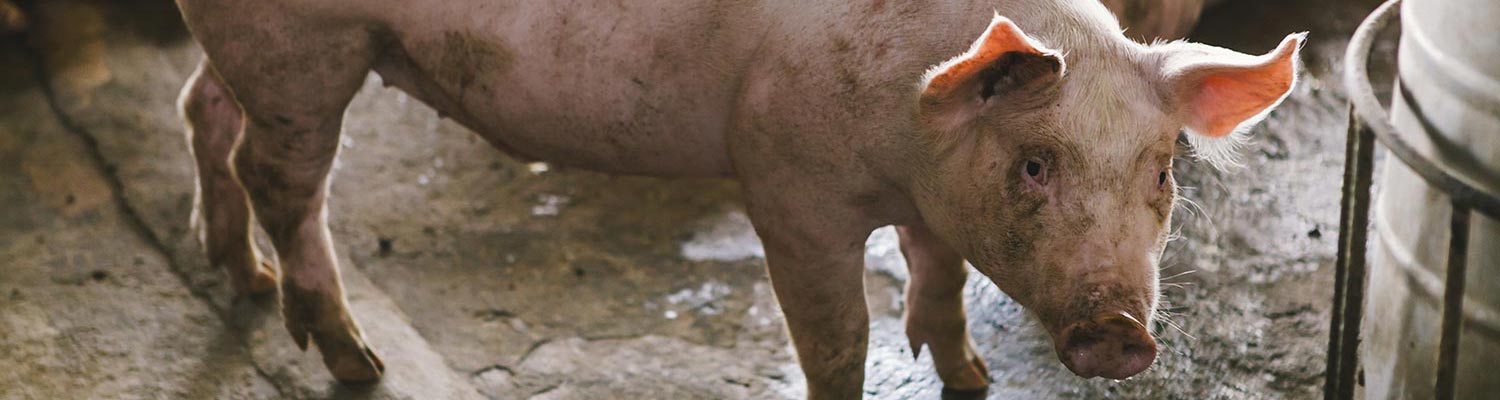
In the Malaysian outbreak, the clinical signs of NiV disease in pigs were well described.43 The disease presented differently in different age groups. In weaners and growers there was an acute febrile illness of 40 °C and above. Respiratory signs were prominent, particularly if animals were made to move around the pen, and ranged from increased or forced respiration to a harsh non-productive cough (called locally in Malaysia ‘loud barking cough’ or ‘one-mile cough’ as the coughing of the pigs could be heard at some distance from the farm), or open-mouth breathing. The syndrome in this age group may be accompanied by one or more neurological signs such as muscle fasciculation, hind limb weakness and varying degrees of spastic paresis and inco-ordinated gait when driven and hurried. The condition in some cases progressed to lateral recumbency accompanied by tetanic spasms.
Although accurate records were not kept on most affected farms, it was apparent that mortality was low, perhaps less than 5 per cent, but that the morbidity rate was high as evidenced by the proportion of animals in a herd that seroconverted. Infection was frequently asymptomatic, an observation supported by experimental infections.
Sows and boars showed a somewhat different clinical syndrome, which was possibly associated with the more restricted confinement in which they were kept. The disease manifested as an acute febrile illness with laboured, open-mouth breathing, increased salivation and nasal discharge that was frequently blood-tinged. A bloody nasal discharge was frequently evident adjacent to the carcass after death. Abortion was reported. Some sows and boars died suddenly without having shown signs of clinical disease or after a brief period of illness of less than 24 hours’ duration.
Some or all of the following neurological signs were frequently observed in the animals that showed clinical disease: head pressing, agitation as evidenced by biting at the bars of the cage, tetanic spasms or seizures, apparent pharyngeal muscle paralysis with inability to swallow, frothy salivation and dropping of the tongue.
Suckling pigs manifested open-mouth breathing, leg weakness with muscle tremors and nervous twitches. The mortality rate was high, but whether this was the result of the primary disease or of disease in the sow was not clearly established. None of the aforementioned clinical signs are pathognomonic for Nipah virus disease in pigs, although at the time of the outbreak the coughing was considered characteristic.
In the Malaysian outbreak, only one clinically affected dog was examined. It presented with a distemper-like syndrome characterized by purulent ocular-nasal discharge, high fever, depression and laboured respiration. Cats were reported to become sick and die on affected pig farms in Malaysia. One clinically ill cat was found during epidemiological investigations, and NiV was detected in it by immunohistochemistry.27 The disease syndrome reproduced experimentally in cats resembled that seen experimentally with the closely related HeV.58 Clinical signs were those of fever and severe, frequently fulminating, respiratory disease.39
In horses, neurological signs such as head tilting, circling, and ataxia have been observed. Progression of clinical signs is usually rapid, and horses might be found dead.8
Infection in pigs, dogs, horses and cats causes an acute febrile disease that may be self-limiting or fatal. If infected animals survive for long enough, seroconversion occurs at 10 to 14 days. There is no evidence to date that persistent infections occur in these species.
Disease and death in humans may be the first indication of an outbreak, which has been the case in all NiV outbreaks to date. The disease may present as a respiratory or neurological syndrome. Patients may show fever, headache, dizziness, altered mental state or unconsciousness and vomiting. In the Malaysian outbreak, more than 50 per cent of cases the condition progressed to impaired consciousness accompanied by brain stem dysfunction.19 Nipah virus infection may result in late-onset encephalitis and relapsing encephalitis, and survivors may experience long-term neurological sequelae.60
The lesions of NiV infection are characterized by disseminated multi-organ vasculopathy comprising endothelial infection, vasculitis, vasculitis-induced thrombosis, parenchymal ischaemia, microinfarction, and parenchymal cell infection in the CNS, lungs, kidneys and other major organs. This unique dual pathogenic mechanism of vasculitis-induced microinfarction and neuronal infection causes severe tissue damage in the CNS.
Diagnosis
Extreme care must be taken in the handling of samples collected for diagnostic testing of suspected cases of Nipah virus disease. Nipah virus is a biosecurity laboratory four (BSL4) agent, in recognition of its status as one of the most dangerous zoonotic agents. Safety precautions for the investigators in the field and in the laboratory are of paramount importance. Certain aspects of the laboratory diagnosis should be conducted only in a BSL4 facility.
Suspicion of NiV infection may be raised when a clinical syndrome consistent with those described above occurs in any area where the natural reservoir host resides. Ante- and post-mortem sampling should be conducted in such a way that staff who are not suitably protected do not come into contact with body fluids and tissues of animals on the property. Use of a biohazard face mask is advisable.15
Rapid molecular diagnostic tests for NiV are available and should be implemented as quickly as possible once samples are collected. Molecular characterization of isolates is important.
Demonstration of NiV antigen by immunohistochemistry in formalin-fixed tissue samples is a rapid and safe diagnostic technique. Tissues in which NiV antigens have been demonstrated in pigs showing respiratory signs include lungs and upper respiratory tract, meninges, spleen and kidneys.15 For animals showing neurological signs, brain tissue is advised.
Culturing the virus from infected tissues in cell culture is relatively simple. It is important that samples from suspect animals be transported to authorised laboratories only under biologically secure conditions according to international regulations.
Confirmation of diagnosis by virus isolation is desirable. Submission of appropriately packed specimens, according to IATA regulations, to an international BSL4 facility is the preferred approach for this technique, due to the amplification of virus that occurs during isolation. Nipah virus has been isolated from lungs, spleen, kidneys, tonsils, meninges and lymph node.15 It may also be isolated from ante-mortem samples such as throat swabs, cerebrospinal fluid or urine, depending on the species being sampled.
The virus grows in a range of cell types, but isolation in Vero cells is the preferred approach. Cytopathic effects (CPE) may develop rapidly, in two to three days, but two five-day passages are usually conducted before declaring an isolation attempt unsuccessful. Cytopathic effects are characterized by large syncytia formation, involving fusion of tens to scores of cells. In NiV cultures the nuclei tend to form around the periphery of the syncytial giant cells. Confirmation of an isolate can be attempted by immunofluorescence or immunoperoxidase staining of the monolayer showing CPE using appropriate antisera and controls. Definitive identification is by the relative levels of neutralization of the isolate observed with specific antisera to Nipah and Hendra viruses.
Transmission electron microscopy reveals morphological structures characteristic of paramyxovirus infections in NiV in culture or in lesions in fixed post-mortem samples. The nucleocapsids and the membranes of virus particles have been described.29
The serum neutralization test (SNT) is the definitive test for detection of antibodies to NiV and is the reference standard for validation of other serological tests.16 This test involves the growth of live virus in cell culture, and its application is recommended only in BSL4 facilities. Care should be taken with sample collection and preparation because toxicity caused by serum samples containing haemolysed erythrocytes or other contaminants may mask low-titred responses.
An enzyme-linked immunosorbent assay (ELISA) has been developed as the screening test of choice, particularly for surveillance.16, 41 All reagents are inactivated and therefore the test itself poses no biosafety concerns, but it should be remembered that where animal populations suspected to be infected are tested, tissue and blood samples may contain NiV. Standard operating procedures that protect the operators from the possibility of infection are necessary.16
Serosurveillance of animals is recommended as the diagnostic procedure of choice where NiV infections have been suspected, or where there is a need to demonstrate freedom from the infection. The ELISA can also be used in epidemiological studies, such as studies of bat populations. Reactors to the ELISA should be confirmed by SNT.
Differential diagnosis
Pigs: The clinical diagnosis of NiV infection on a pig farm presents some difficulties as there are a number of manifestations, which vary according to the age and reproductive status of the animals affected.
As differential diagnoses in pigs one must consider other causes of fever, sudden death in boars and/or sows, reproductive failure characterized by abortion, respiratory disease in any age group characterized by severe coughing, and CNS disease characterized by tremors, muscle fasciculation and agonal fits in pigs in lateral recumbency.
The following diseases should be considered in the differential diagnosis of pigs with clinical signs suggestive of Nipah virus disease:
- African swine fever
- Classical swine fever
- Porcine reproductive and respiratory syndrome
- Post-weaning multisystemic wasting syndrome
- Aujesky’s disease
- Japanese encephalitis
- Rabies
- Swine enzootic pneumonia (Mycoplasma hyopneumoniae)
- Porcine pleuropneumonia (Actinobacillus pleuropneumonia)
- Pasteurellosis
Dogs: The few cases of NiV disease observed in dogs resembled canine distemper. In the Philippines outbreak, dogs were not affected clinically but seroconverted.
Cats: Any cause of sudden death during outbreaks of the disease should be considered a differential for NiV infection.
Horses: Any cause of sudden onset of neurological signs (head tilting, circling, ataxia) including flavivirus infections (e.g. West Nile virus), Hendra virus infection, rabies and Western equine encephalitis, Eastern equine encephalitis and Venezuelan equine encephalitis.
Control
Preparedness for outbreaks includes a thorough understanding of the geographical extent of virus distribution, good diagnostic capability and appropriate levels of surveillance, which includes monitoring wildlife.12, 14
The control measures in outbreaks of NiV infection will be governed by its extreme hazard as a zoonotic agent. It is essential to prevent spread of infection among domestic animals, and to preclude the possibility of infection of humans, and transmission between humans. Rapid eradication is recommended. This was achieved in Malaysia by the quarantine of infected premises and the destruction of all susceptible animals on them. It is essential that quarantine and associated movement controls be strictly enforced during this period of culling.44
In Bangladesh where there is direct bat-to-human transmission via date palm sap, it has been shown that skirts (made from bamboo, dhoincha, jute stick and/or polythene) covering the sap-producing areas of a date palm tree effectively prevented bat-sap contact.31 Ensuring strict barrier-control nursing should minimise human-to-human spread. Reducing the risk of fomite transmission requires good infection control targeting hospital surfaces including bedding and towels.26
Fruit trees and other vegetation that may attract bats should be removed from the proximity of animal housing on farms. Farms should also be managed with strict biosecurity to preclude introduction of infected animals. Monitoring of herd health through accurate record-keeping and timely veterinary evaluation of records should be practised to identify the emergence of suspicious clinical syndromes, such as reproductive failure, respiratory disease and sudden deaths or increased mortality rates. Attention to herd health monitoring may assist with control of a range of diseases, and may therefore be cost effective.
At the national level, well designed serological surveillance is an effective strategy for the detection of NiV infections.44
There are currently no vaccines for NiV. However, there is an equine HeV vaccine which has been in use in Australia since 2012.37 This subunit vaccine based on the G glycoprotein of HeV affords protection against not only HeV challenge but also NiV challenge in a range of experimental models.6
References
- ANONYMOUS, 1998–1999. Outbreak of Hendra-like virus in Malaysia and Singapore. Morbidity and Mortality Weekly Report, 48, 265-269.
- ANONYMOUS, 1999. Update: Outbreak of Nipah virus—Malaysia and Singapore. Morbidity and Mortality Weekly Report, 48, 335-337.
- ANONYMOUS, 2018. Nipah virus—India. Disease Outbreak News, 7 August 2018, http://www.who.int/csr/don/07-august-2018-nipah-virus-india/en/ accessed 20 August 2018.
- ASIAH, N. M., MILLS, J. N., ONG, B. L. & KSIAZEK, T. G., 2001. Epidemiological investigation of Nipah virus infection in peridomestic animals in Malaysia and future plans. In: Report on the Regional Seminar on Nipah Virus Infection, Tokyo, OIE Representation for Asia and the Pacific, 47-50.
- BLUM, L. S., KHAN, R., NAHAR, N. & BREIMAN, R. F., 2009. In-Depth Assesment of an Outbreak of Nipah Encephalitis with Person-to-Person Transmission in Bangladesh: Implications for Prevention and Control Strategies. American Journal of Tropical Medicine and Hygiene, 80(1), 96-102.
- BRODER, C. C., XU, K., NIKOLOV, D. B., ZHU, Z., DIMITROV, D. S., MIDDLETON, D., PALLISTER, J., GEISBERT, T. W., BOSSART, K. N. & WANG, L. F., 2013. A treatment for and vaccine against the deadly Hendra and Nipah viruses. Antiviral Research, 100(1), 8-13.
- CHADHA, M. S., COMER, J. A., LOWE, L., ROTA, P. A., ROLLIN, P. E., BELLINI, W. J., KSIAZEK, T. G. & MISHRA, A., 2006. Nipah virus-associated encephalitis outbreak, Siliguri, India. Emerging Infectious Diseases, 12(2), 235-240.
- CHING, P. K., DE LOS REYES, V. C., SUCALDITO, M. N., TAYAG, E., COLUMNA-VINGNO, A. B., MALBAS, F. F., BOLO, G. C., SEJVAR, J. J., EAGLES, D., PLAYFORD, G., DUEGER, E., KAKU, Y., MORIKAWA, S., KURODA, M., MARSH, G. A., MCCULLOUGH, S. & FOXWELL, A. R., 2015. Outbreak of henipavirus infection, Philippines, 2014. Emerging Infectious Diseases, 21(2), 328-331.
- CHOO, P. Y., 2001. Pig industry perspectives on herd health monitoring and biosecurity in Malaysia. In: Report on the Regional Seminar on Nipah Virus Infection, Tokyo, OIE Representation for Asia and the Pacific, 90-93.
- CHUA, K. B., BELLINI, W. J., ROTA, P. A., HARCOURT, B. H., TAMIN, A., LAM SAI KIT, K., KSIAZEK, T. G., ROLLIN, P. E., ZAKI, S. R., SHIEH, W., GOLDSMITH, C. S., GUBLER, D. J., ROEHRIG, J. T., EATON, B., GOULD, A. R., OLSON, J., FIELD, H., DANIELS, P., LING, A. E., PETERS, C. J., ANDERSON, L. J. & MAHY, B. W., 2000. Nipah virus: a recently emergent deadly paramyxovirus. Science, 288, 1432-1435.
- CHUA, K. B., GOH, K. J., WONG, K. T., KAMARULZAMAN, A., TAN, P. S. K., KSIAZEK, T. G., ZAKI, S. R., PAUL, G., LAM SAI KIT, K. & TAN, C. T., 1999. Fatal encephalitis due to Nipah virus among pig-farmers in Malaysia. Lancet, 354, 1257– 1259.
- CHUA, K. B., KOH, C. L., CHENG, S. C., HOOI, P. S., KHONG, J. H., WEE, K. F., CHUA, B. H., CHAN, Y. P., LIM, M. E. & LAM SAI KIT, K., 2001. Surveillance of wildlife for source of Nipah virus: Methodologies and outcome II. In: Report on the Regional Seminar on Nipah Virus Infection, Tokyo, OIE Representation for Asia and the Pacific, 81-83.
- CHUA, K. B., KOH, C. L., HOOI, P. S., WEE, K. F., KHONG, J. H., CHUA, B. H., CHAN, Y. P., LIM, M. E. & LAM, S. K., 2002. Isolation of Nipah virus from Malaysian Island flying-foxes. Microbes and Infection, 4(2), 145-151.
- DANIELS, P. W., 2000. The Nipah virus outbreak in Malaysia: Overview of the outbreak investigation and the issues that remain. In: Proceedings of the 16th International Pig Veterinary Society Congress, Ocean Grove, Victoria, 553-554.
- DANIELS, P. W., AZIZ, J., KSIAZEK, T. G., ONG, B. L., BUNNING, M., JOHARA, B., FIELD, H., OLSON, J., HOFFMANN, D., BILOU, J. & OZAWA, Y., 2000. Nipah virus: Developing a regional approach. In: Comprehensive Reports on Technical Items, Presented to the International Committee or to Regional Commissions, Paris, OIE, 207-217.
- DANIELS, P. W., KSIAZEK, T. & EATON, B., 2001. Laboratory diagnosis of Nipah and Hendra virus infections. Microbes and Infection, 4, 289-295.
- DREXLER, J. F., CORMAN, V. M., GLOZA-RAUSCH, F., SEEBENS, A., ANNAN, A., IPSEN, A., KRUPPA, T., MULLER, M. A., KALKO, E. K., ADU-SARKODIE, Y., OPPONG, S. & DROSTEN, C., 2009. Henipavirus RNA in African bats. PloS One, 4(7):e6367.
- FOGARTY, R., HALPIN, K., HYATT, A. D., DASZAK, P. & MUNGALL, B. A., 2008. Henipavirus susceptibility to environmental variables. Virus Research, 132(1-2), 140-144.
- GOH, K. J., TAN, C. T., CHEW, N. K., TAN, P. S. K., KAMARULZAMAN, A., SARJI, S. A., WONG, K. T., ABDULLAH, B. J. J., CHUA, K. B. & LAM SAI KIT, K., 2000. Clinical features of Nipah virus encephalitis among pig farmers in Malaysia. New England Journal of Medicine, 342, 1229-1235.
- HALPIN, K., BANKAMP, B., HARCOURT, B. H., BELLINI, W. J. & ROTA, P. A., 2004. Nipah virus conforms to the rule of six in a minigenome replication assay. Journal of General Virology, 85(3), 701-707.
- HALPIN, K., HYATT, A. D., FOGARTY, R., MIDDLETON, D., BINGHAM, J., EPSTEIN, J. H., RAHMAN, S. A., HUGHES, T., SMITH, C., FIELD, H. E., DASZAK, P. & HENIPAVIRUS ECOLOGY RESEARCH GROUP, 2011. Pteropid bats are confirmed as the reservoir hosts of henipaviruses: a comprehensive experimental study of virus transmission. American Journal of Tropical Medicine and Hygiene, 85(5), 946-951.
- HALPIN, K., YOUNG, P. L., FIELD, H. E. & MACKENZIE, J. S., 2000. Isolation of Hendra virus from pteropid bats: a natural reservoir of Hendra virus. Journal of General Virology, 81(8), 1927-1932.
- HARCOURT, B. H., TAMIN, A., KSIAZEK, T. G., ROLLIN, P. E., ANDERSON, L. J., BELLINI, W. J. & ROTA, P. A., 2000. Molecular characterization of Nipah virus, a newly emergent paramyxovirus. Virology, 271, 334-349.
- HARCOURT, B. H., TAMIN, A., KSIAZEK, T. G., ROLLIN, P. E., ANDERSON, L. J., BELLINI, W. J. & ROTA, P. A., 2001. Molecular characterization of the polymerase gene and genomic termini of Nipah virus. Virology, 287, 192-201.
- HASEBE, F., THUY, N. T., INOUE, S., YU, F., KAKU, Y., WATANABE, S., AKASHI, H., DAT, D. T., MAI LE, T. Q. & MORITA, K., 2012. Serologic evidence of Nipah virus infection in bats, Vietnam. Emerging Infectious Diseases, 18(3), 536-537.
- HASSAN, M., SAZZAD, H., LUBY, S. P., STURM-RAMIREZ, K., BHUIYAN, M., RAHMAN, M., ISLAM, M., STROHER, U., SULTANA, S., KAFI, M. A. H., DASZAK, P., RAHMAN, M. & GURLEY, E. S., 2018. Nipah Virus Contamination of Hospital Surfaces during Outbreaks, Bangladesh, 2013–2014. Emerging Infectious Diseases, 24(1), 15-21.
- HOOPER, P., ZAKI, S., DANIELS, P. W. & MIDDLETON, D., 2001. Comparative pathology of the diseases caused by Hendra and Nipah viruses. Microbes and Infection, 3, 315–322.
- HSU, V. P., HOSSAIN, M. J., PARASHAR, U. D., ALI, M. M., KSIAZEK, T. G., KUZMIN, I., NIEZGODA, M., RUPPRECHT, C., BRESEE, J. & BREIMAN, R. F., 2004. Nipah virus encephalitis re-emergence, Bangladesh. Emerging Infectious Diseases, 10(12), 2082-2087.
- HYATT, A. D., ZAKI, S. R., GOLDSMITH, C. S., WISE, T. G. & HENGSTBERGER, S. G., 2001. Ultrastructure of Hendra virus and Nipah virus within cultures, cells and host animals. Microbes and Infection, 3, 297-306.
- IEHLE, C., RAZAFITRIMO, G., RAZAINIRINA, J., ANDRIAHOLINIRINA, N., GOODMANM, S. M., FAURE, C., GEORGES-COURBOT, M. C., ROUSSET, D. & REYNES, J. M., 2007. Henipavirus and Tioman virus antibodies in pteropodid bats, Madagascar. Emerging Infectious Diseases, 13(1), 159-161.
- KHAN, S. U., GURLEY, E. S., HOSSAIN, M. J., NAHAR, N., SHARKER, M. A. & LUBY, S. P., 2012. A randomized controlled trial of interventions to impede date palm sap contamination by bats to prevent Nipah virus transmission in Bangladesh. PloS One, 7(8), e42689.
- LI, Y., WANG, J., HICKEY, A. C., ZHANG, Y., LI, Y., WU, Y., ZHANG, H., YUAN, J., HAN, Z., MCEACHERN, J., BRODER, C. C., WANG, L. F. & SHI, Z., 2008. Antibodies to Nipah or Nipah-like viruses in bats, China. Emerging Infectious Diseases, 14(12), 1974-1976.
- LO, M. K., LOWE, L., HUMMEL, K. B., SAZZAD, H. M., GURLEY, E. S., HOSSAIN, M. J., LUBY, S. P., MILLER, D. M., COMER, J. A., ROLLIN, P. E., BELLINI, W. J. & ROTA, P. A., 2012. Characterization of Nipah virus from outbreaks in Bangladesh, 2008-2010. Emerging Infectious Diseases, 18(2), 248-255.
- LUBY, S. P., HOSSAIN, M. J., GURLEY, E. S., AHMED, B.-N., BANU, S., KHAN, S. U., HOMAIRA, N., ROTA, P. A., ROLLIN, P. E., COMER, J. A., KENAH, E., KSIAZEK, T. G. & RAHMAN, M., 2009. Recurrent Zoonotic Transmission of Nipah Virus into Humans, Bangladesh, 2001-2007. Emerging Infectious Diseases, 15(8), 1229-1235.
- LYE, M. S., ONG, F. G. L., PARASHAR, U. D., MOUNTS, A. W., MUSTAPHA, A. N., SAHANI, M. A. R., KAMALUDDIN, M. A., PREMALATHA, G. D. & KITSUTANI, P., 2001. Report on the epidemiological studies conducted during the Nipah virus outbreak in Malaysia in 1999. In: Report on the Regional Seminar on Nipah Virus Infection, Tokyo, OIE Representation for Asia and the Pacific, 31–37.
- MARSH, G. A., DE JONG, C., BARR, J. A., TACHEDJIAN, M., SMITH, C., MIDDLETON, D., YU, M., TODD, S., FOORD, A. J., HARING, V., PAYNE, J., ROBINSON, R., BROZ, I., CRAMERI, G., FIELD, H. E. & WANG, L. F., 2012. Cedar virus: a novel Henipavirus isolated from Australian bats. PLoS Pathogens, 8(8), e1002836.
- MIDDLETON, D., PALLISTER, J., KLEIN, R., FENG, Y., HAINING, J., ARKINSTALL, R., FRAZER, L., HUANG, J., EDWARDS, N., WAREING, M., ELHAY, M., HASHMI, Z., BINGHAM, J., YAMADA, M., JOHNSON, D., WHITE, J., FOORD, A., HEINE, H. G., MARSH, G. A., BRODER, C. C. & WANG, L., 2014. Hendra Virus Vaccine, a One Health Approach to Protecting Horse, Human, and Environmental Health. Emerging Infectious Diseases, 20(3), 372-379.
- MIDDLETON, D. J., MORRISSY, C. J., VAN DER HEIDE, B. M., RUSSELL, G. M., BRAUN, M. A., WESTBURY, H. A., HALPIN, K. & DANIELS, P. W., 2007. Experimental Nipah virus infection in pteropid bats (Pteropus poliocephalus). Journal of Comparative Pathology, 136(4), 266-272.
- MIDDLETON, D. J., WESTBURY, H. A., MORRISSY, C. J., VAN DER HEIDE, B. M., RUSSELL, G. M., BRAUN, M. A. & HYATT, A. D., 2001. Experimental Nipah virus infection in pigs and cats. Journal of Comparative Pathology, 136(4), 266-272.
- MUNGALL, B. A., MIDDLETON, D., CRAMERI, G., HALPIN, K., BINGHAM, J., EATON, B. T. & BRODER, C. C., 2007. Vertical transmission and foetal replication of Nipah virus in an experimentally infected cat. Journal of Infectious Diseases, 196(6), 812-816.
- MUNIANDY, N., 2001. Serological screening using Elisa for IgG and IgM. In: Report on the Regional Seminar on Nipah Virus Infection, Tokyo, OIE Representation for Asia and the Pacific, 73–76.
- MURRAY, K., SELLECK, P., HOOPER, P., HYATT, A., GOULD, A., GLEESON, L., WESTBURY, H., HILEY, L., SELVEY, L., RODWELL, B. & KETTERER, P., 1995. A morbillivirus that caused fatal disease in horses and humans. Science, 268, 94-97.
- NOR, M. N. M., GAN, C. H. & ONG, B. L., 2000. Nipah virus infection of pigs in peninsular Malaysia. Revue Scientifique et Technique de l’Office International des Epizooties, 19, 160-165.
- NOR, M. N. M. & ONG, B. L., 2000. Nipah virus infection in animals and control measures implemented in peninsular Malaysia. In: Comprehensive Reports on Technical Items, Presented to the International Committee or Regional Commissions, Paris, OIE, 237–251.
- ONG, B. L., DANIELS, P. W., BUNNING, M., AZIZ, J., WHITE, J., MUNIANDY, M., OLSON, J., CHANG CHANG, K. W., MORRISSY, C., LIM, Y. S., KSIAZEK, T. & NOR, M. N. M., 2000. A surveillance programme for the detection of pig herds exposed to Nipah virus infections in peninsular Malaysia. In: Proceedings of the 9th International Symposium on Veterinary Epidemiology and Economics (ISVEE), Colorado, 1162-1164.
- PARASHAR, U. D., SUNN, L. M., ONG, F., MOUNTS, A. W., ARIF, M. T., KSIAZEK, T. G., KAMALUDDIN, M. A., MUSTAFA, A. N., KAUR, H., DING, L. M., OTHMAN, G., RADZI, H. M., KITSUTANI, P. T., STOCKTON, P. C., AROKIASAMY, J., GARY JR, H. E. & ANDERSON, L. J., 2000. Case-control study of risk factors for human infection with a new zoonotic paramyxovirus, Nipah virus, during a 1998–1999 outbreak of severe encephalitis in Malaysia. Journal of Infectious Diseases, 181, 1755–1759.
- PATON, N. I., LEO, Y. S., ZAKI, S. R., AUCHUS, A. P., LEE, K. E., LING, A. E., CHEW, S. K., ANG, B., ROLLIN, P. E., UMAPATHI, T., SNG, I., LEE, C. C., LIM, E. & KSIAZEK, T. G., 1999. Outbreak of Nipah-virus infection among abattoir workers in Singapore. Lancet, 354, 1253–1256.
- RAHMAN, M. A., HOSSAIN, M. J., SULTANA, S., HOMAIRA, N., KHAN, S. U., RAHMAN, M., GURLEY, E. S., ROLLIN, P. E., LO, M. K., COMER, J. A., LOWE, L., ROTA, P. A., KSIAZEK, T. G., KENAH, E., SHARKER, Y. & LUBY, S. P., 2012. Date palm sap linked to Nipah virus outbreak in Bangladesh, 2008. Vector Borne Zoonotic Diseases, 12(1), 65-72.
- REYNES, J. M., COUNOR, D., ONG, S., FAURE, C., SENG, V., MOLIA, S., WALSTON, J., GEORGES-COURBOT, M. C., DEUBEL, V. & SARTHOU, J. L., 2005. Nipah virus in Lyle's flying foxes, Cambodia. Emerging Infectious Diseases, 11(7), 1042-1047.
- SENDOW, I., FIELD, H. E., CURRAN, J., DARMINTO, MORRISSY, C., MEEHAN, G., BUICK, T. & DANIELS, P., 2006. Henipavirus in Pteropus vampyrus bats, Indonesia. Emerging Infectious Diseases, 12(4), 711-712.
- SOHAYATI, A. R., HASSAN, L., SHARIFAH, S. H., LAZARUS, K., ZAINI, C. M., EPSTEIN, J. H., SHAMSYUL, NAIM, N., FIELD, H. E., ARSHAD, S. S., ABDUL AZIZ, J., DASZAK, P. & HENIPAVIRUS ECOLOGY RESEARCH GROUP, 2011. Evidence for Nipah virus recrudescence and serological patterns of captive Pteropus vampyrus. Epidemiology and Infection, 139(10), 1570-1579.
- TAN, C. T., GOH, K. J., WONG, K. T., SARJI, S. A., CHUA, K. B., CHEW, N. K., MURUGASU, P., LOH, Y. L., CHONG, H. T., TAN, K. S., THAYAPARAN, T., KUMAR, S. & JUSOH, M. R., 2002. Relapsed and late-onset Nipah encephalitis. Annals of Neurology, 51(6), 703-708.
- TEE, K. K., TAKEBE, Y. & KAMARULZAMAN, A., 2009. Emerging and re-emerging viruses in Malaysia, 1997-2007. International Journal of Infectious Diseases, 13(3), 307-318.
- TYLER, K. L., 2009. Emerging viral infections of the central nervous system: part 2. Archives of Neurology, 66(9), 1065-1074.
- WACHARAPLUESADEE, S., LUMLERTDACHA, B., BOONGIRD, K., WANGHONGSA, S., CHANHOME, L., ROLLIN, P., STOCKTON, P., RUPPRECHT, C. E., KSIAZEK, T. G. & HEMACHUDHA, T., 2005. Bat Nipah Virus, Thailand. Emerging Infectious Diseases, 11(12), 1949-1951.
- WANG, L. F., HARCOURT, B. H., YU, M., TAMIN, A., ROTA, P. A., BELLINI, W. J. & EATON, B., 2001. Molecular biology of Hendra and Nipah viruses. Microbes and Infection, 3, 279–287.
- WEINGARTL, H. M., BERHANE, Y. & CZUB, M., 2009. Animal models of henipavirus infection: a review. Veterinary Journal, 181(3), 211-220.
- WESTBURY, H. A., HOOPER, P. T., BROUWER, S. L. & SELLECK, P. W., 1996. Susceptibility of cats to equine morbillivirus. Australian Veterinary Journal, 74, 132–134.
- WONG, K. T., ROBERTSON, T., ONG, B. B., CHONG, J. W., YAIW, K. C., WANG, L. F., ANSFORD, A. J. & TANNENBERG, A., 2009. Human Hendra virus infection causes acute and relapsing encephalitis. Neuropathology and Applied Neurobiology, 35(3), 296-305.
- WONG, K. T., SHIEH, W. J., KUMAR, S., NORAIN, K., ABDULLAH, W., GUARNER, J., GOLDSMITH, C. S., CHUA, K. B., LAM, S. K., TAN, C. T., GOH, K. J., CHONG, H. T., JUSOH, R., ROLLIN, P. E., KSIAZEK, T. G. & ZAKI, S. R., 2002. Nipah virus infection: pathology and pathogenesis of an emerging paramyxoviral zoonosis. American Journal of Pathology, 161(6), 2153-2167.
- WU, Z., YANG, L., YANG, F., REN, X., JIANG, J., DONG, J., SUN, L., ZHU, Y., ZHOU, H. & JIN, Q., 2014. Novel Henipa-like virus, Mojiang Paramyxovirus, in rats, China, 2012. Emerging Infectious Diseases, 20(6), 1064-1066.
- YOB, J. M., FIELD, H., RASHDI, A. M., MORRISSY, C., VAN DER HEIDE, B., ROTA, P., BIN ADZHAR, A., WHITE, J., DANIELS, P., JAMALUDDIN, A. & KSIAZEK, T., 2001. Nipah virus infection in bats (order Chiroptera) in peninsular Malaysia. Emerging Infectious Diseases, 7(3), 439-441.